The Order was instituted in 1861 as a single grade, primarily to reward loyal Indian princes. It was later expanded to three grades. It was the highest honour of knighthood in the country.
Seal
The seal of the Order is described in the statues as: Azure, a Star of five points, argent, impaled with Our Royal Arms, with the circumscription “The Seal of the Most Exalted Order of the Star of India.”
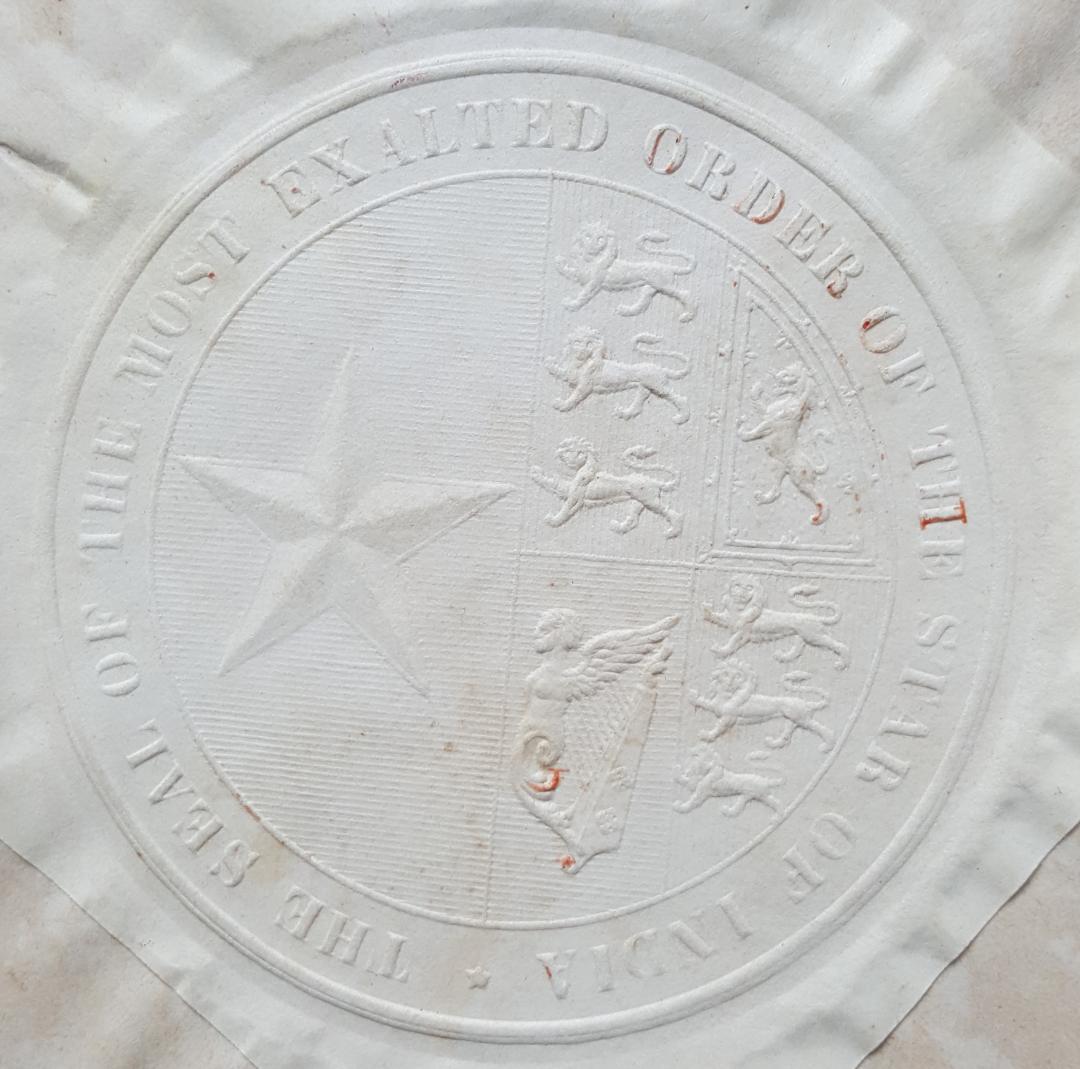
Seal 1861 impression 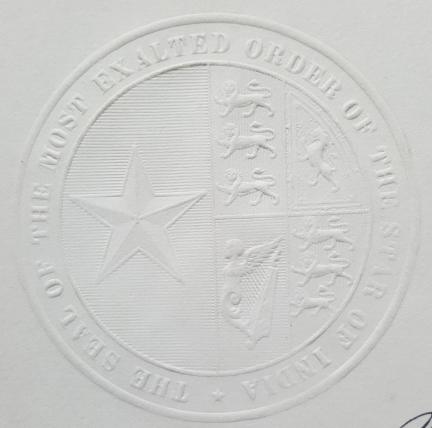
Seal 1933 impression
Other Signatures
Warrants are countersigned by the Secretary of State for India.
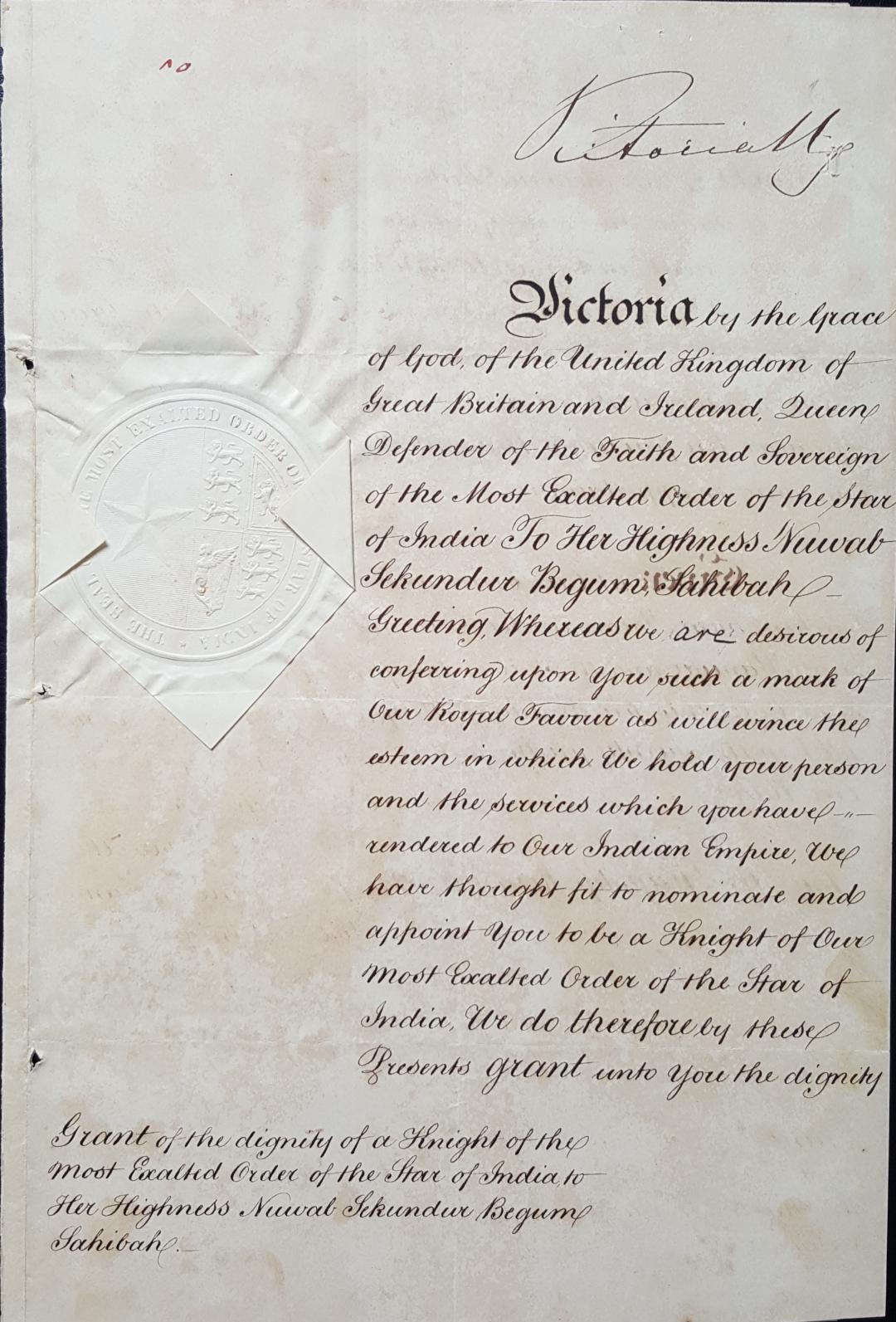
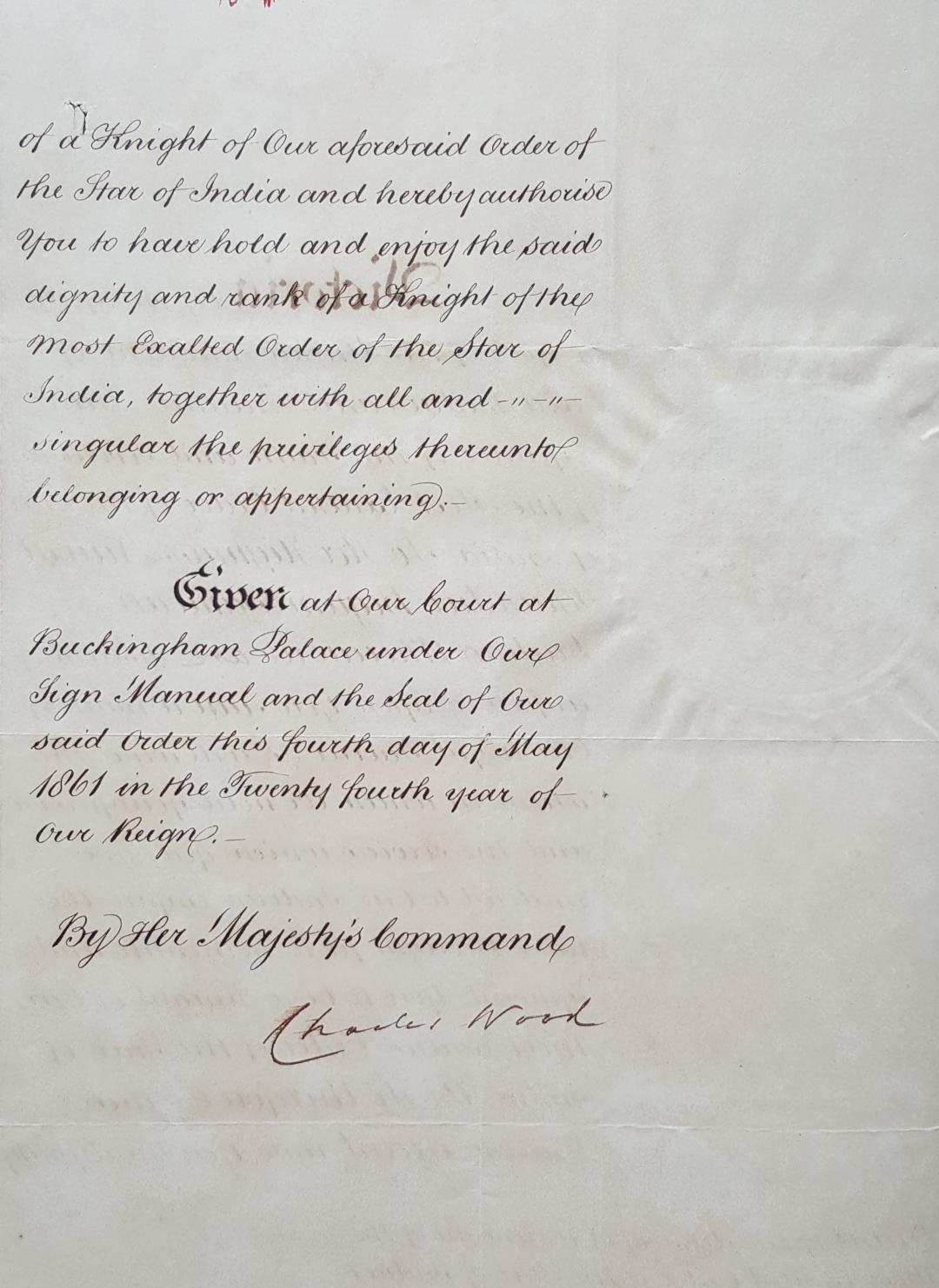
Case Study – Her Highness Nuwab Sekundur Begum Sahibah, KSI
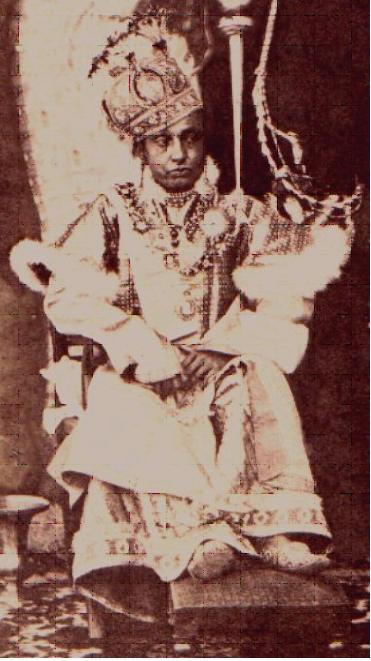
The Begum was created a Knight of the Order of the Star of India at the inception of the Order. Her sex caused a few questions to be asked before the award as, apart from queens regnant, no females had received a British order. Her high status and support of the British in India secured the award. It was not considered that it would create a precedence for rewarding ladies in the UK with places in British orders.
p1 
p2
Case Study – Percy Comyn Lyon, ICS
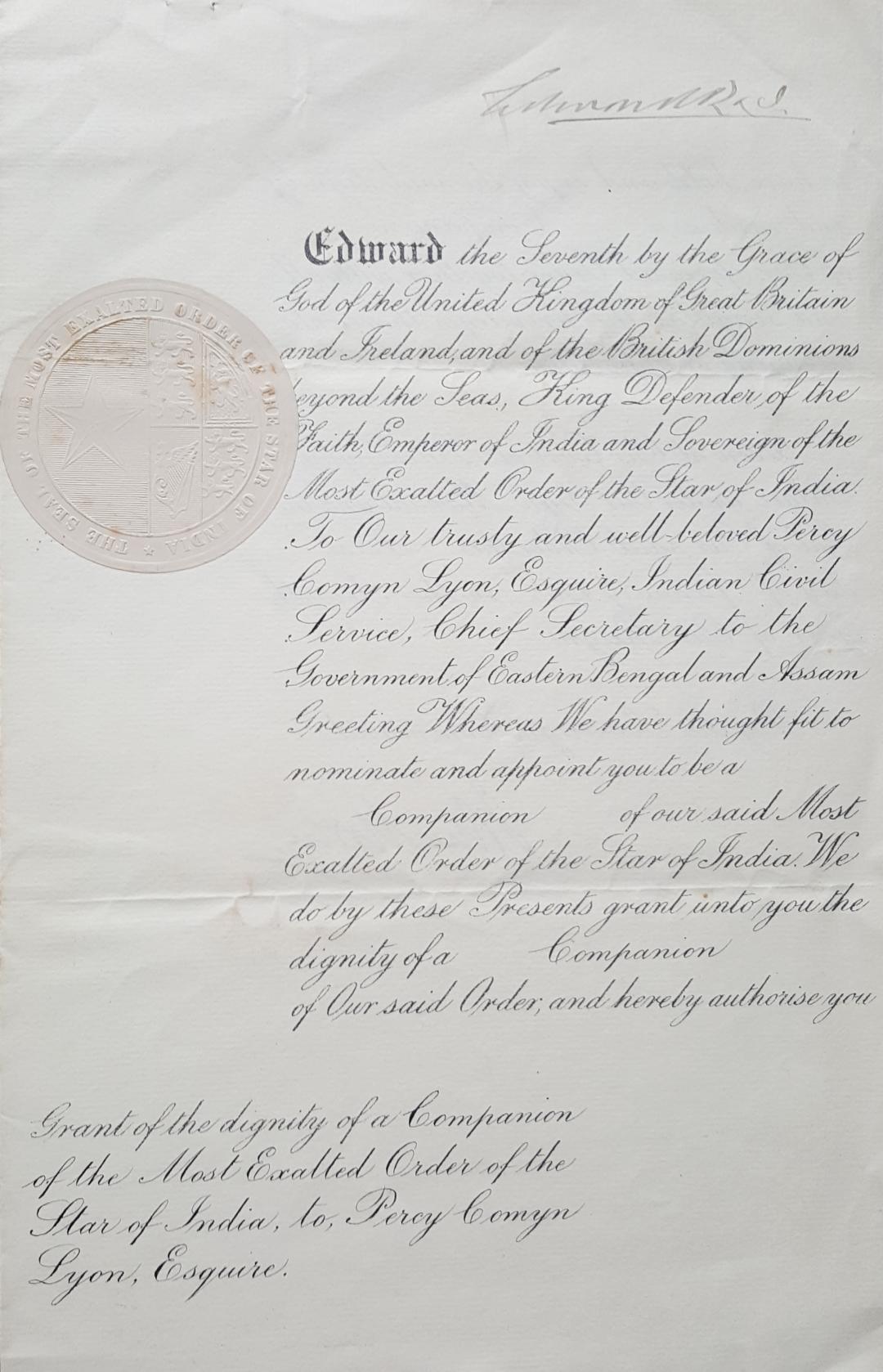
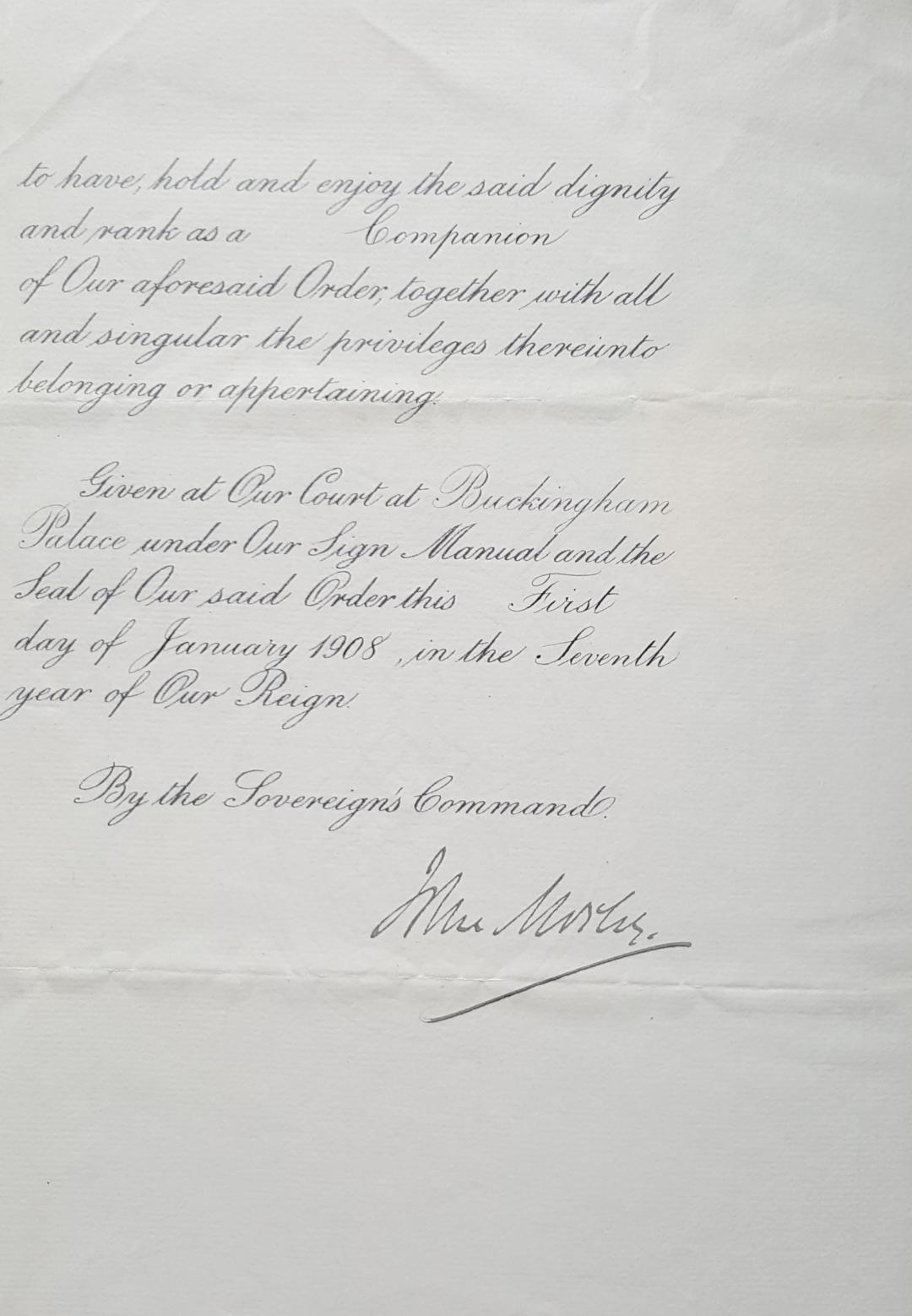
Lyon was a member of the Indian Civil Service and was created a CSI in 1908. Shown below is his coat of arms, with his CSI badge appended.
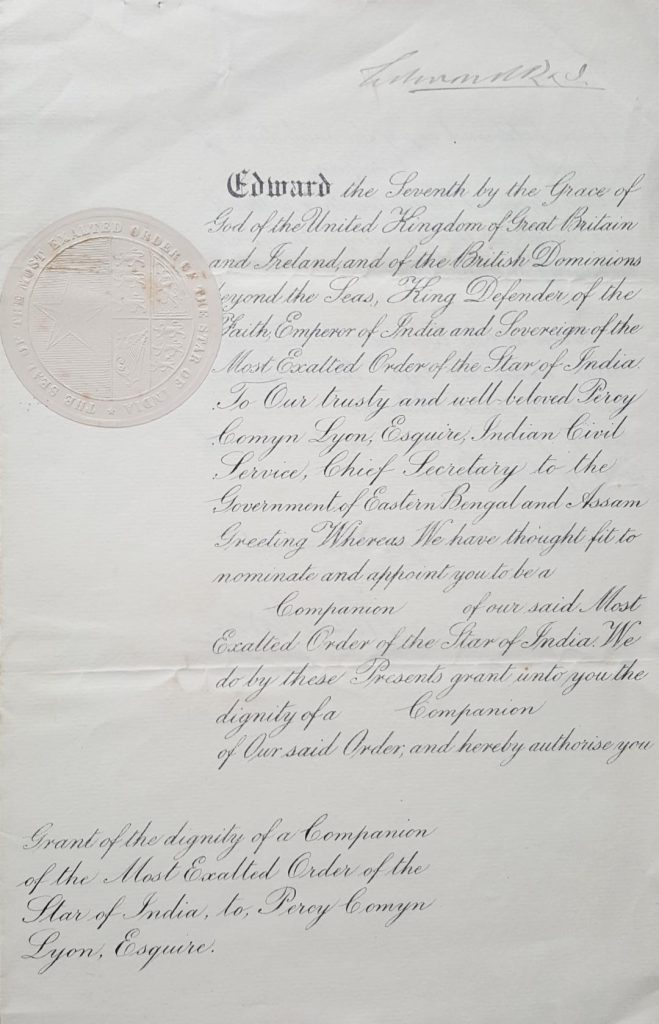
Warrant p1 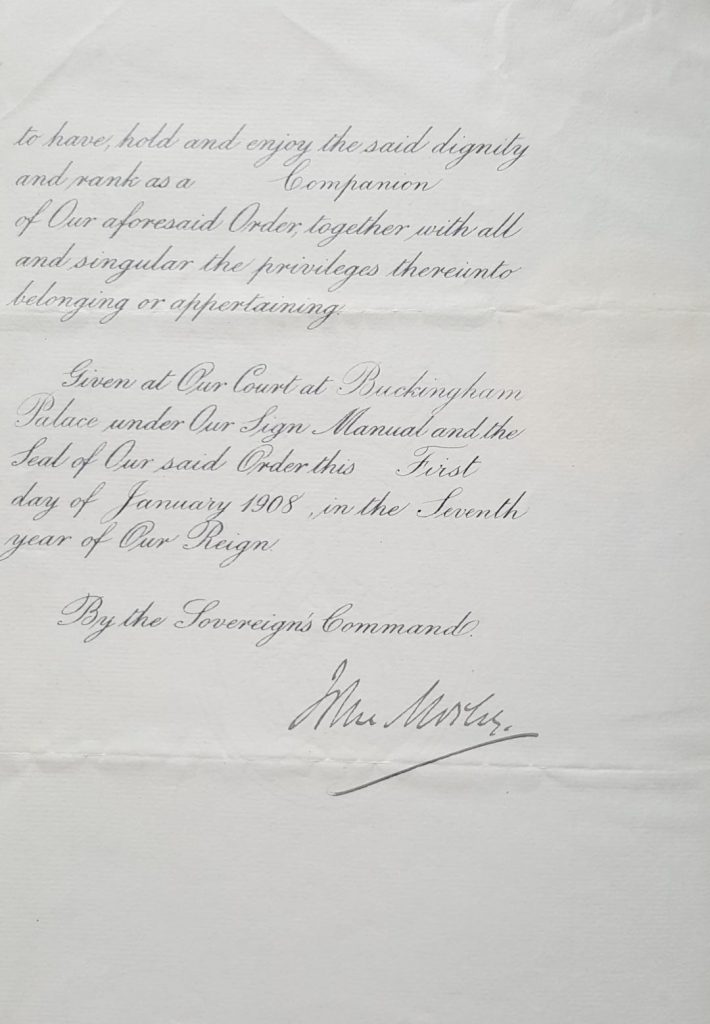
Warrant p2 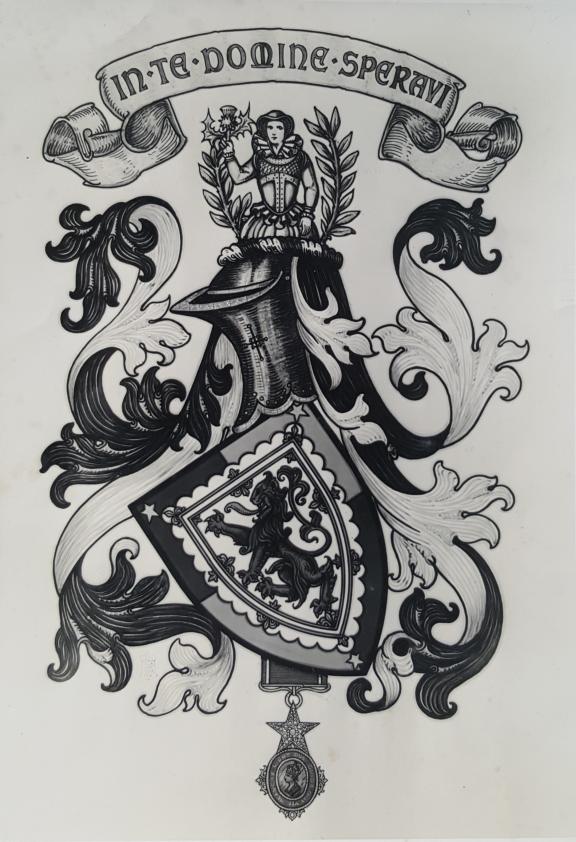
Coat of arms
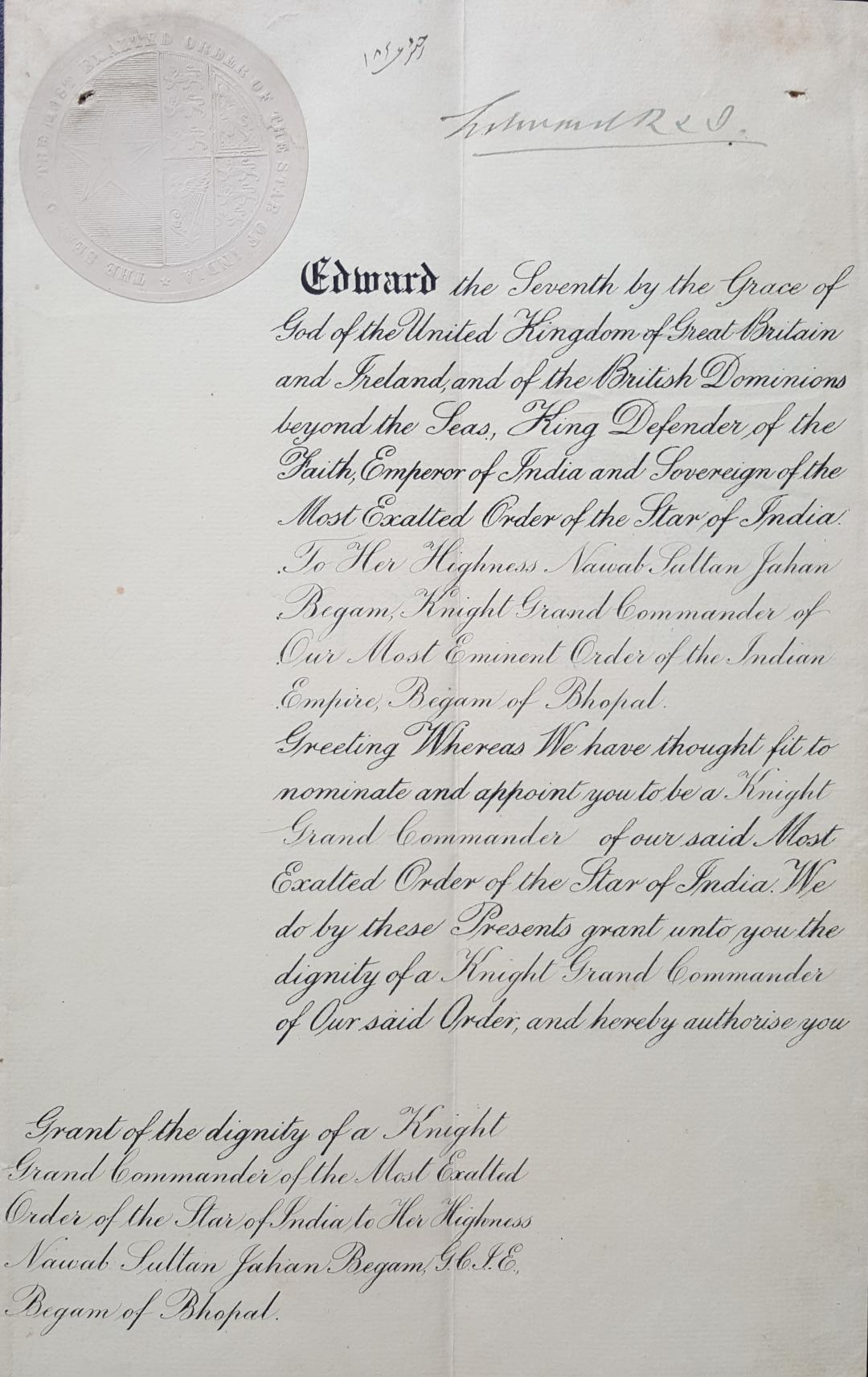
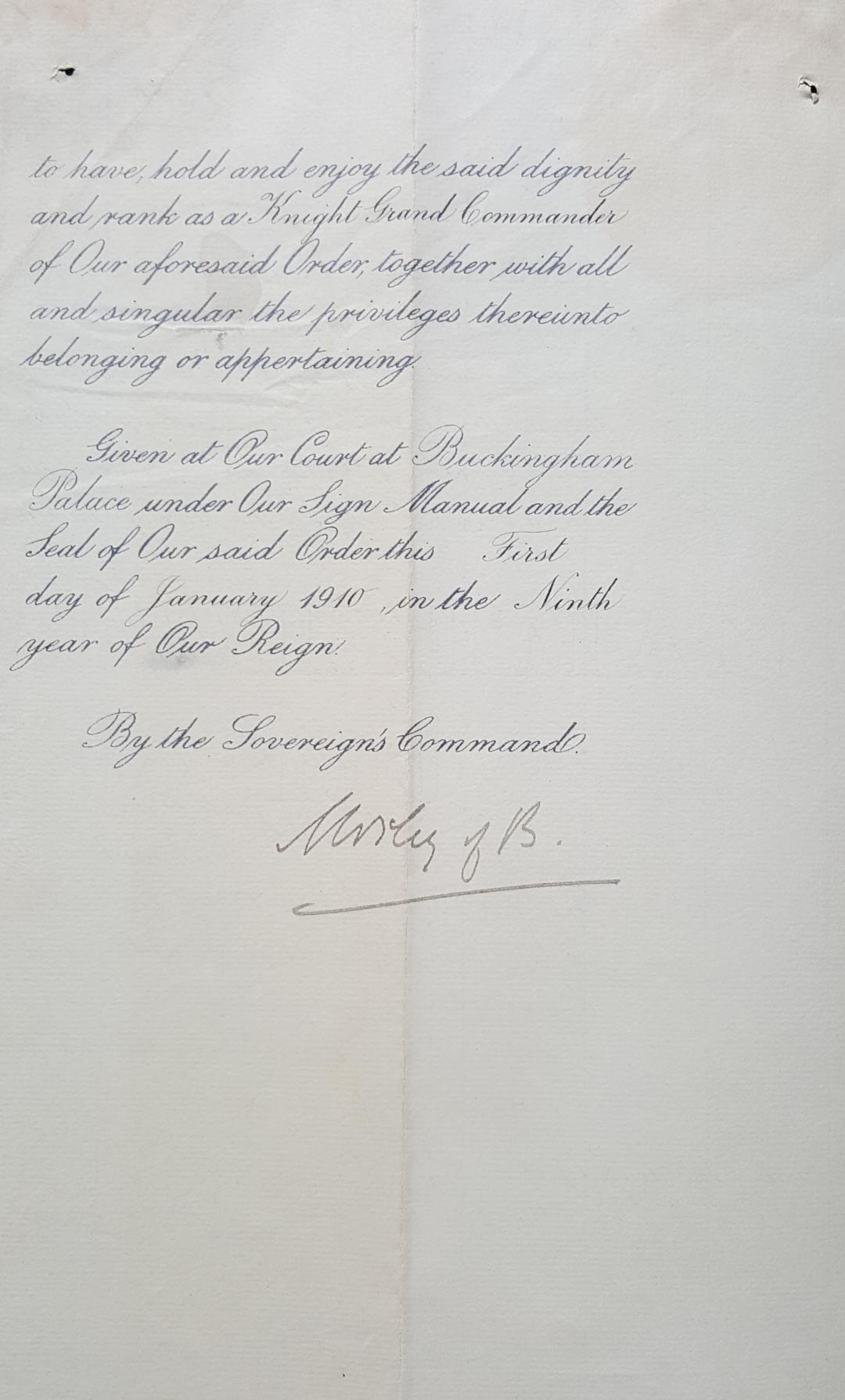
Case Study – Her Highness Nawab Sultan Jahan Begam, GCIE
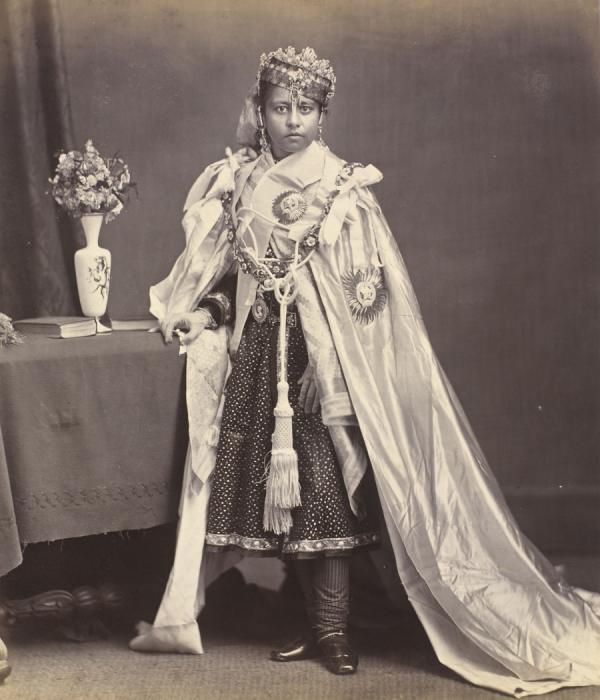
After the award to her mother, there does not seem to have been any issue in creating her daughter a GCSI in 1910.
p1 
p2
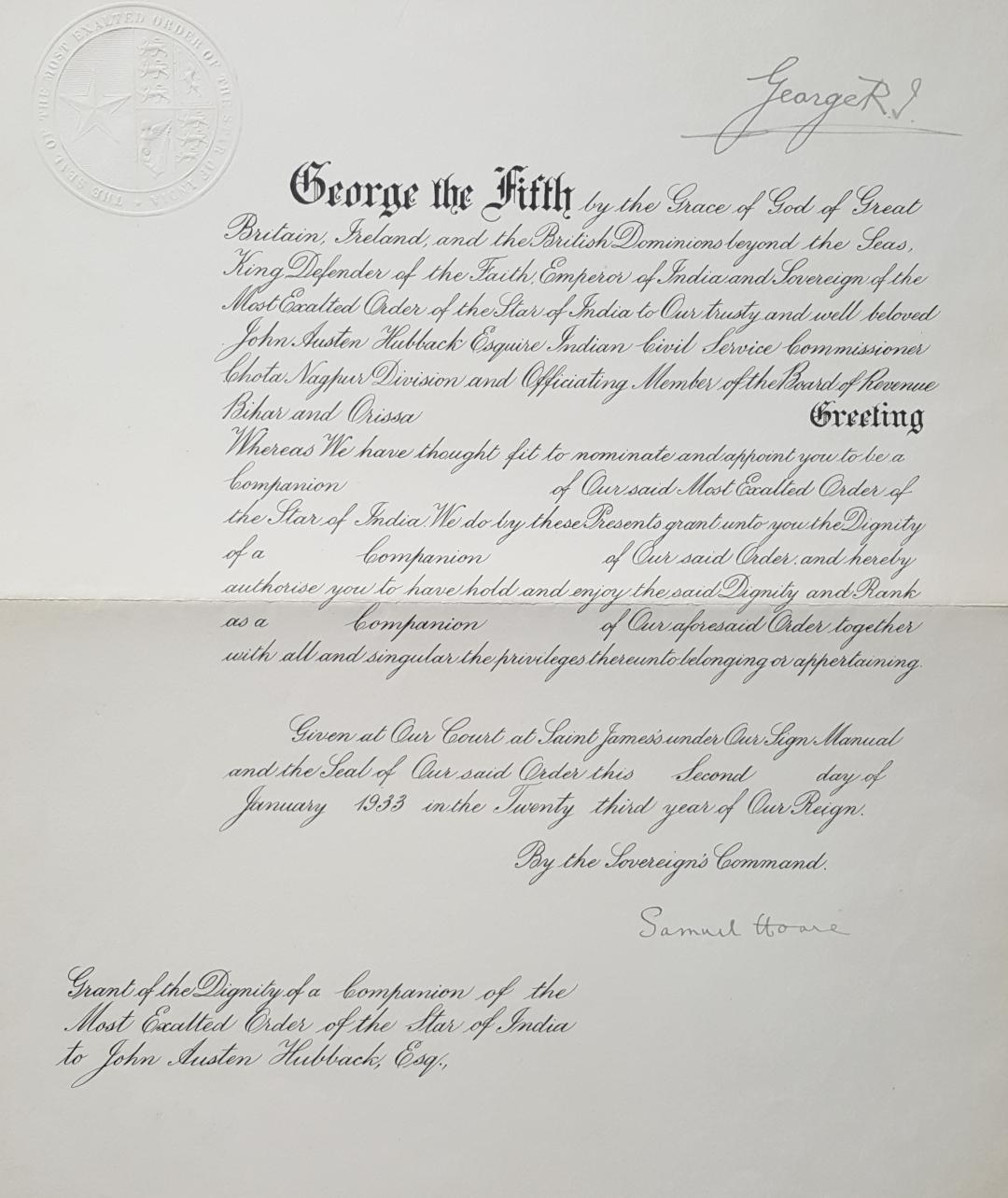
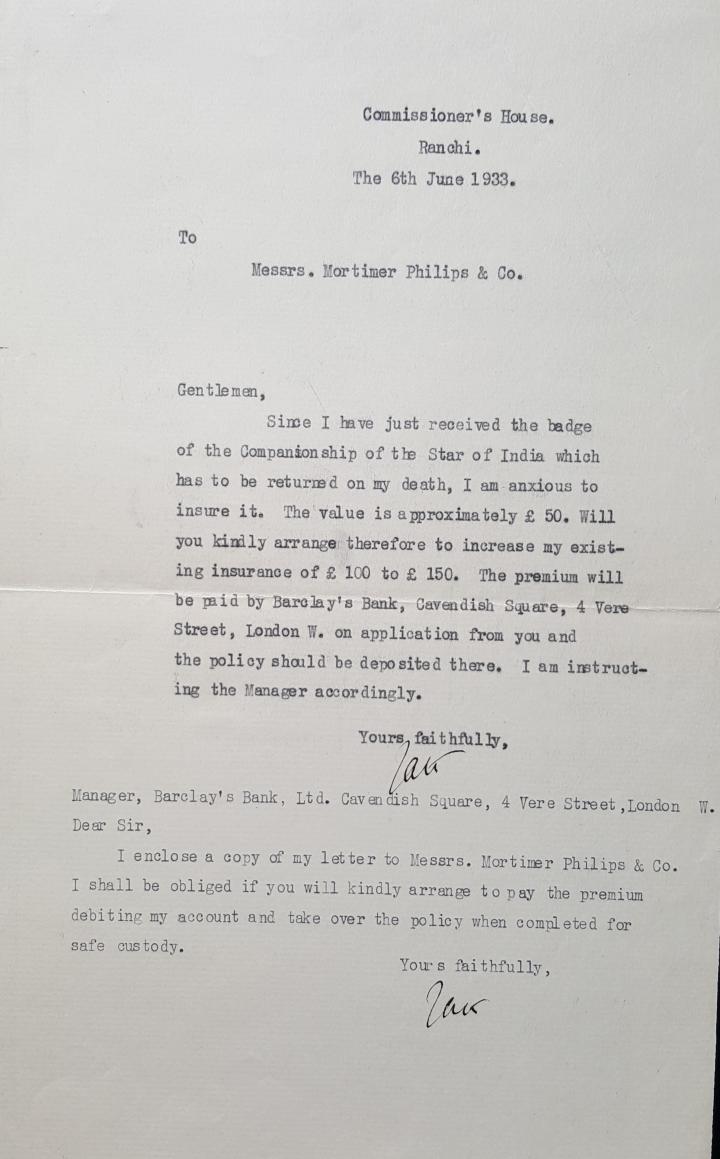
Case Study – John Austin Hubback, ICS
Hubback was appointed CSI in 1933 and advanced to KCSI in 1936. All insignia of the Order was returnable, which meant that the recipient was responsible for its safe keeping whilst in their care, so some felt it necessary to insure the insignia. In this case the recipient’s insurance cover increased from £100 to £150 all because of his CSI badge.
Warrant 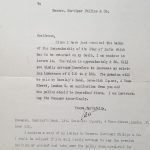
Insurance letter