The Order was founded in 1818 chiefly to reward citizens of Malta and the Ionian Islands. Later in the nineteenth century it became used to reward service in the colonies and overseas. During wartime there were appointments to armed forces personnel for war services.
Seal
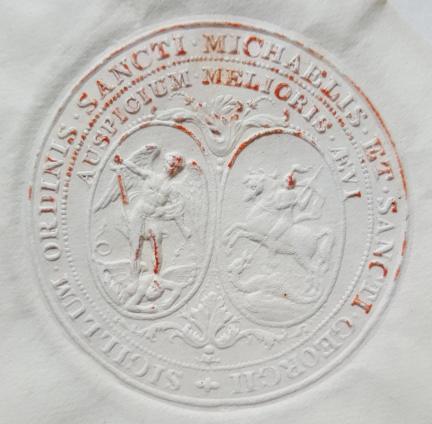
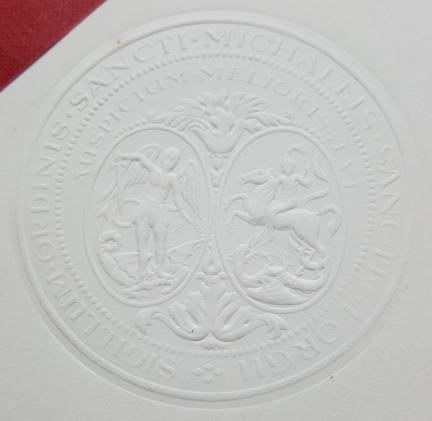
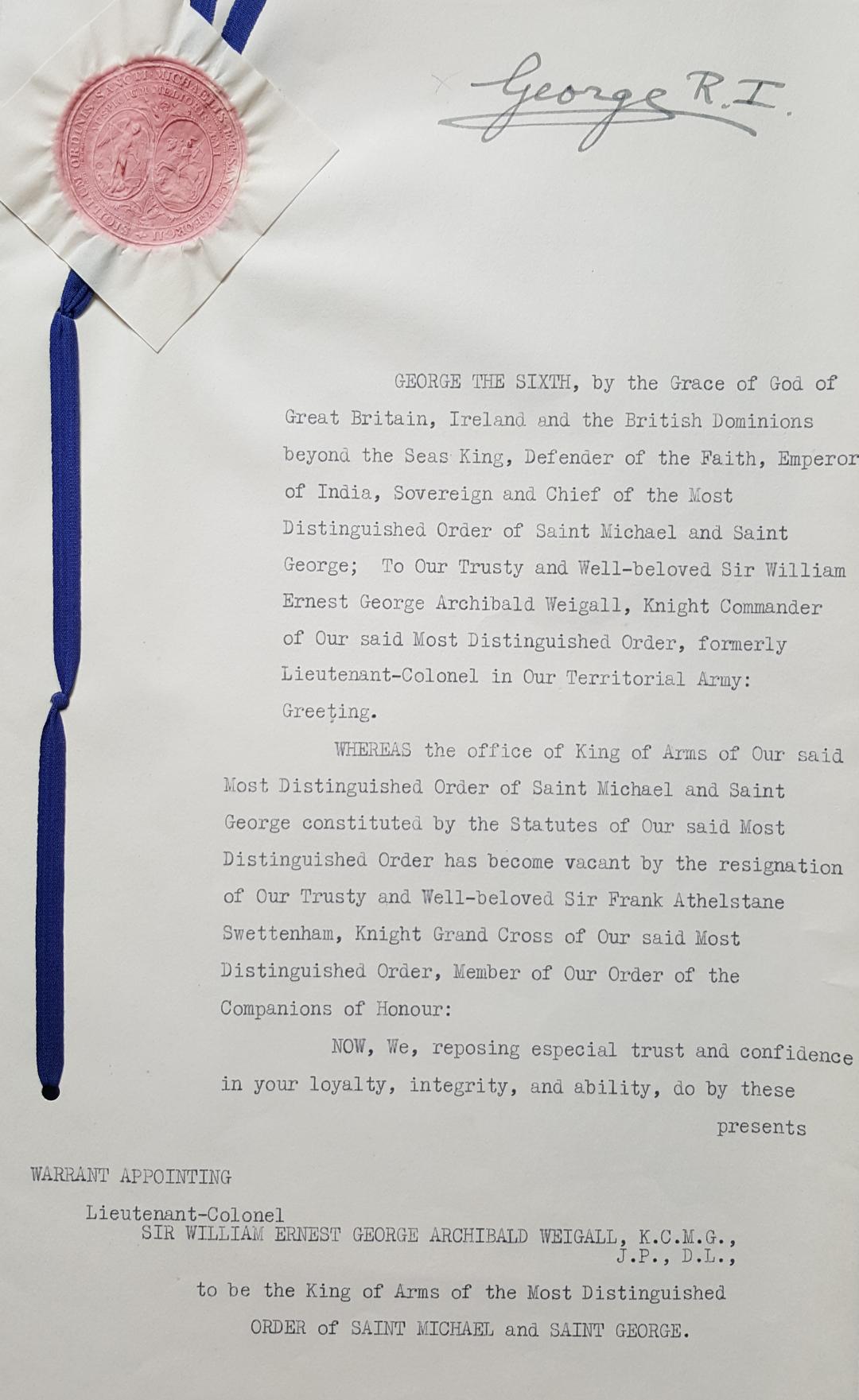
The seal of the Order contains two ovals each containing a depiction of a saint, with the motto of the Order, surrounded by a Latin version of “The Seal of the Order of Saint Michael and Saint George.”
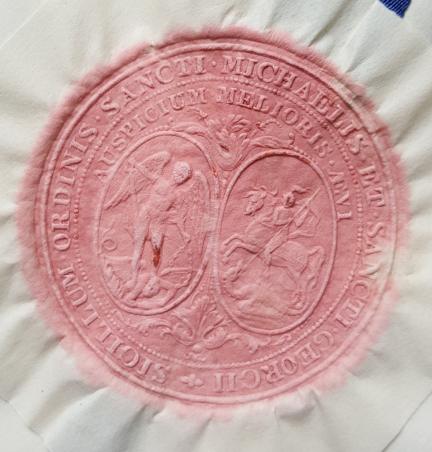
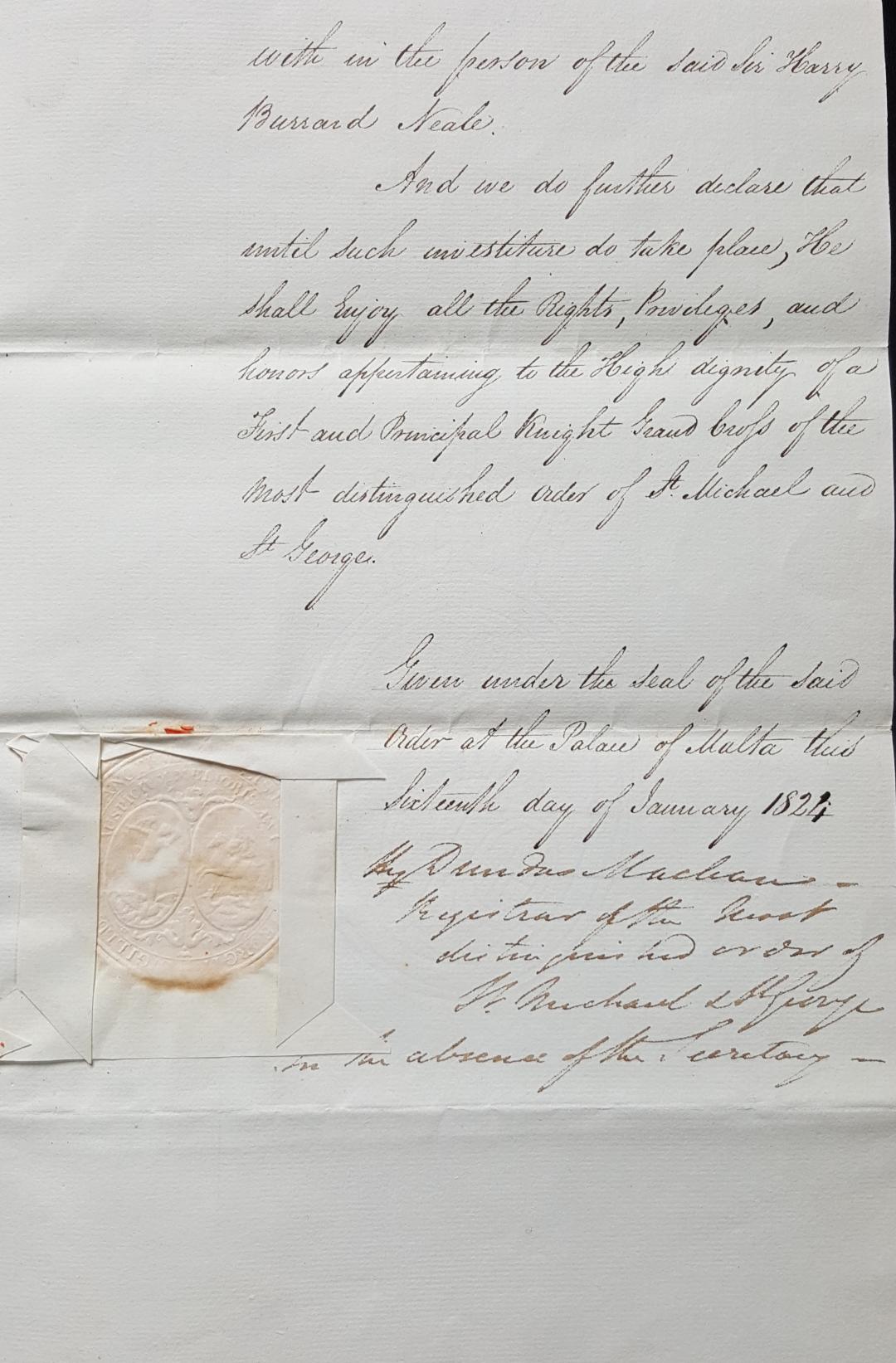
The seal was embossed onto a warrant by taking a square of paper attaching it to the warrant with sealing wax and then impressing the seal. For warrants of appointment, this continued up until at least 1960, but by 1976 the seal was embossed directly onto the warrant. It might be that the change took place when the work of the Chancery of the Order was taken over by the Central Chancery in 1967.
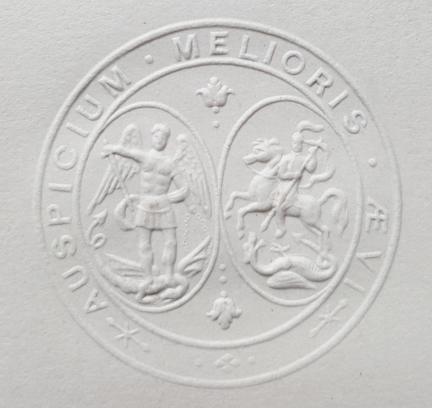
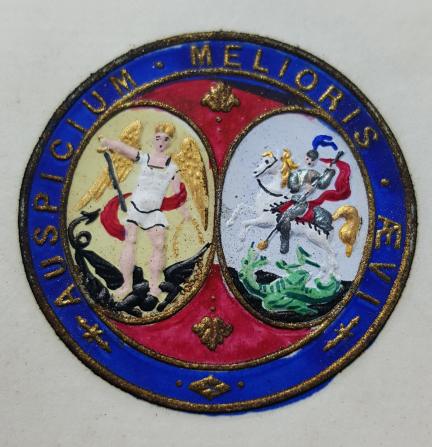
As well as the seal of the Order, a smaller blind stamp was also used by the Order. This had two similar ovals with the saints, all surrounded by the motto of the Order. This was impressed on warrants and letters sent out by the Order. The last evidence of use of this small blind stamp is in 1952. Up to the start of the First World War, the blind stamp was hand coloured and highlighted in gold.
Other Signatures
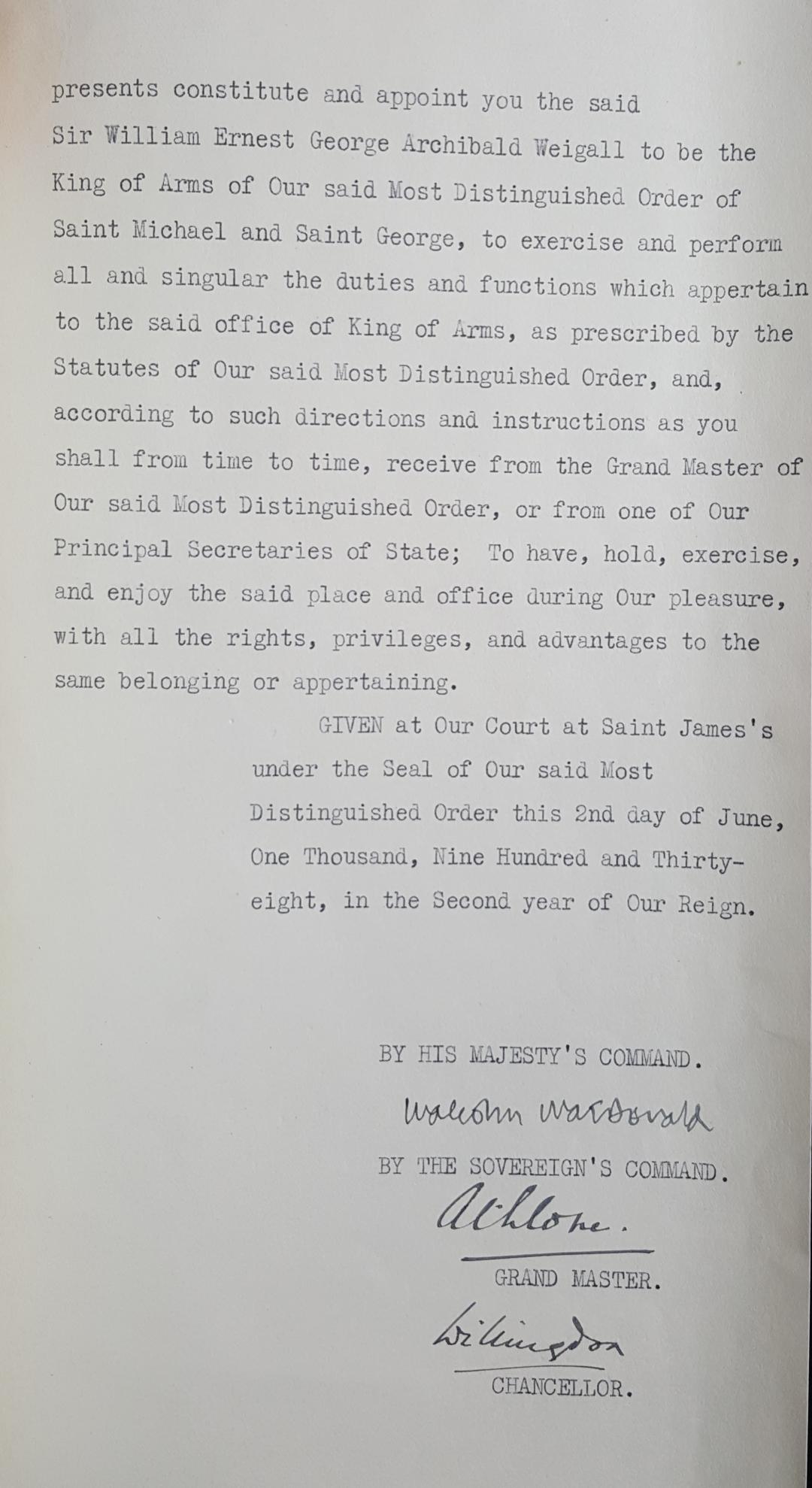
Warrants are signed by the Grand Master (if there is one) and the Chancellor of the Order.
Other Paperwork
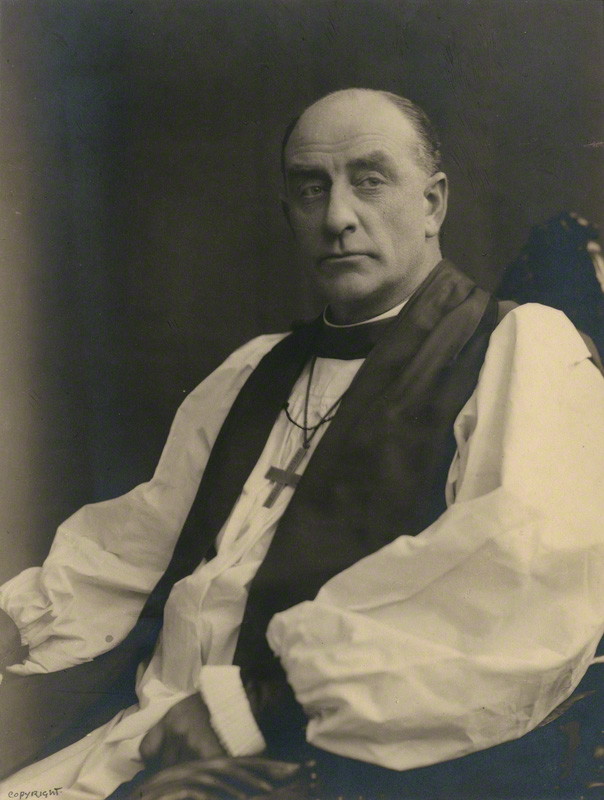
Rt Rev Michael Bolton Furse, KCMG, DD was prelate of the Order from 1936 to 1951 and he took his duties very seriously, writing to new members on appointment and sending them a printed copy of the Prayer of the Order.
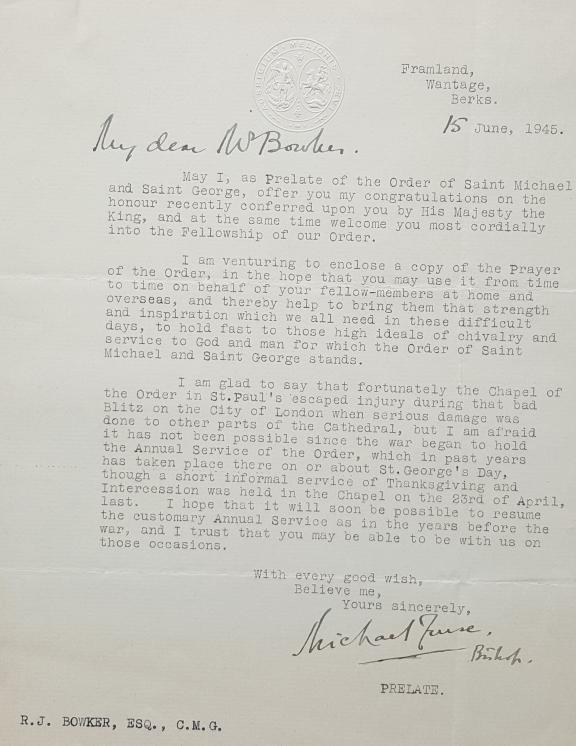
Prelate’s letter 1945 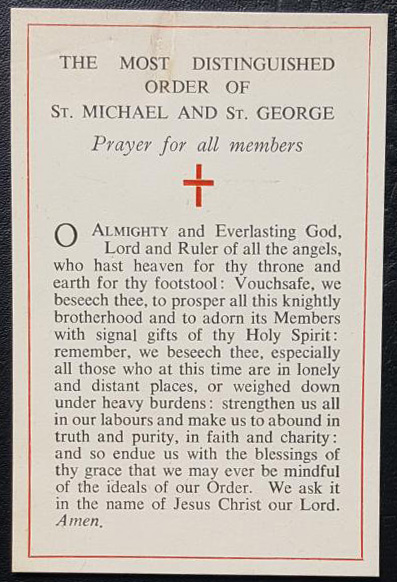
Prayer
Officers of the Order
Principal Knight Grand Cross
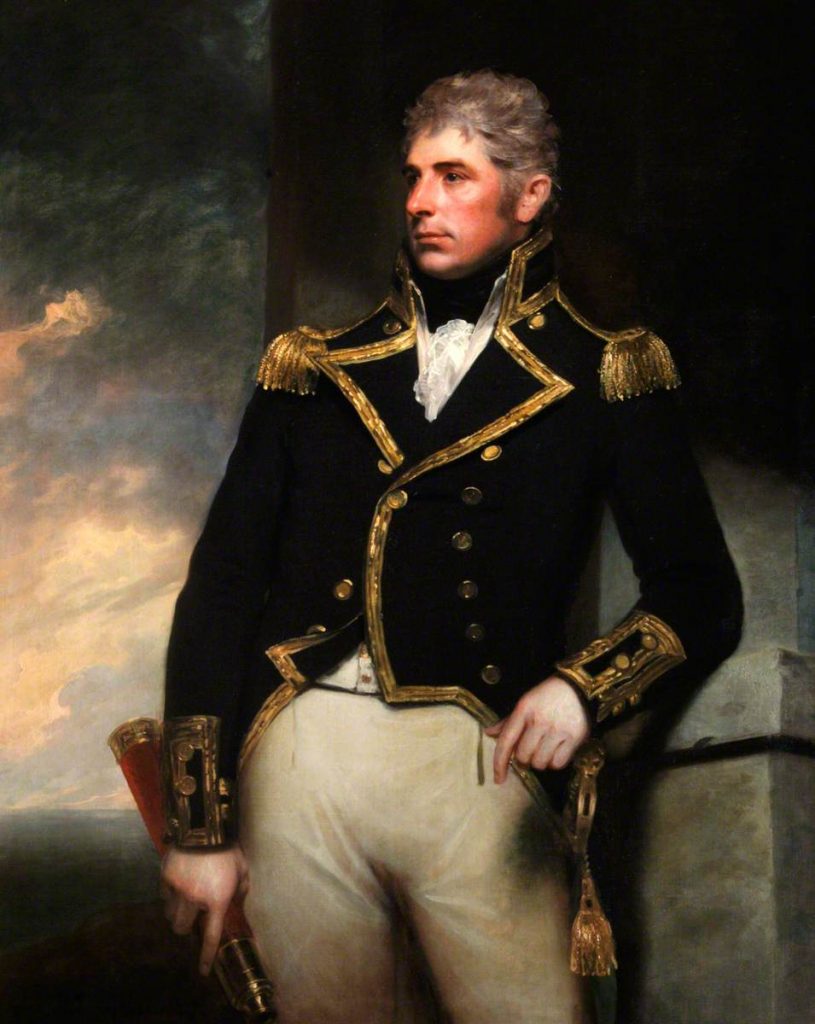
The original fifth statute of the Order contained a provision stating that “…the Officer Commanding in Chief Our Ships and Vessels in the Mediterranean for the time being, shall, for and during the period of his holding such Command only, be the First and Principal Knight Grand Cross…” of the Order.
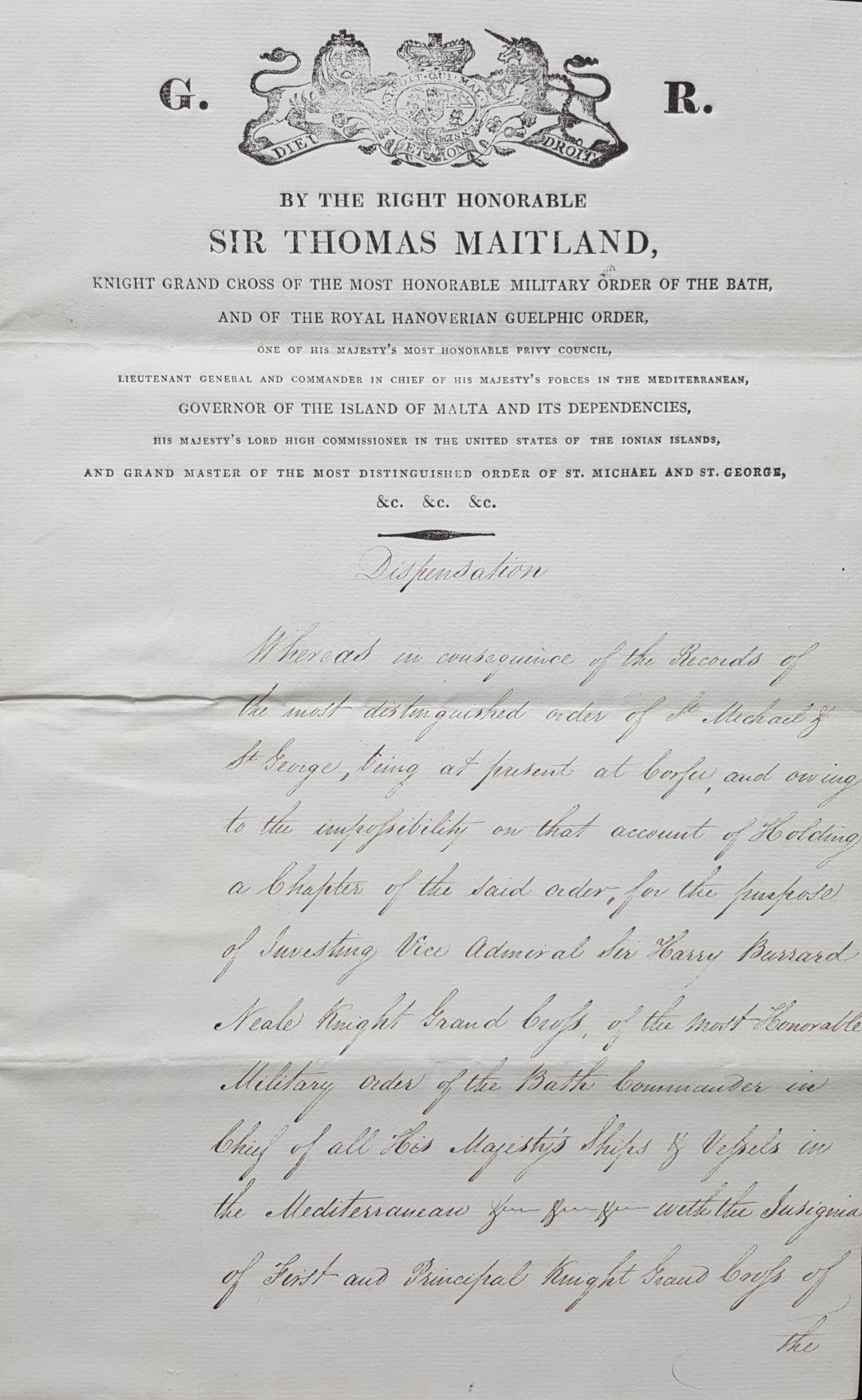
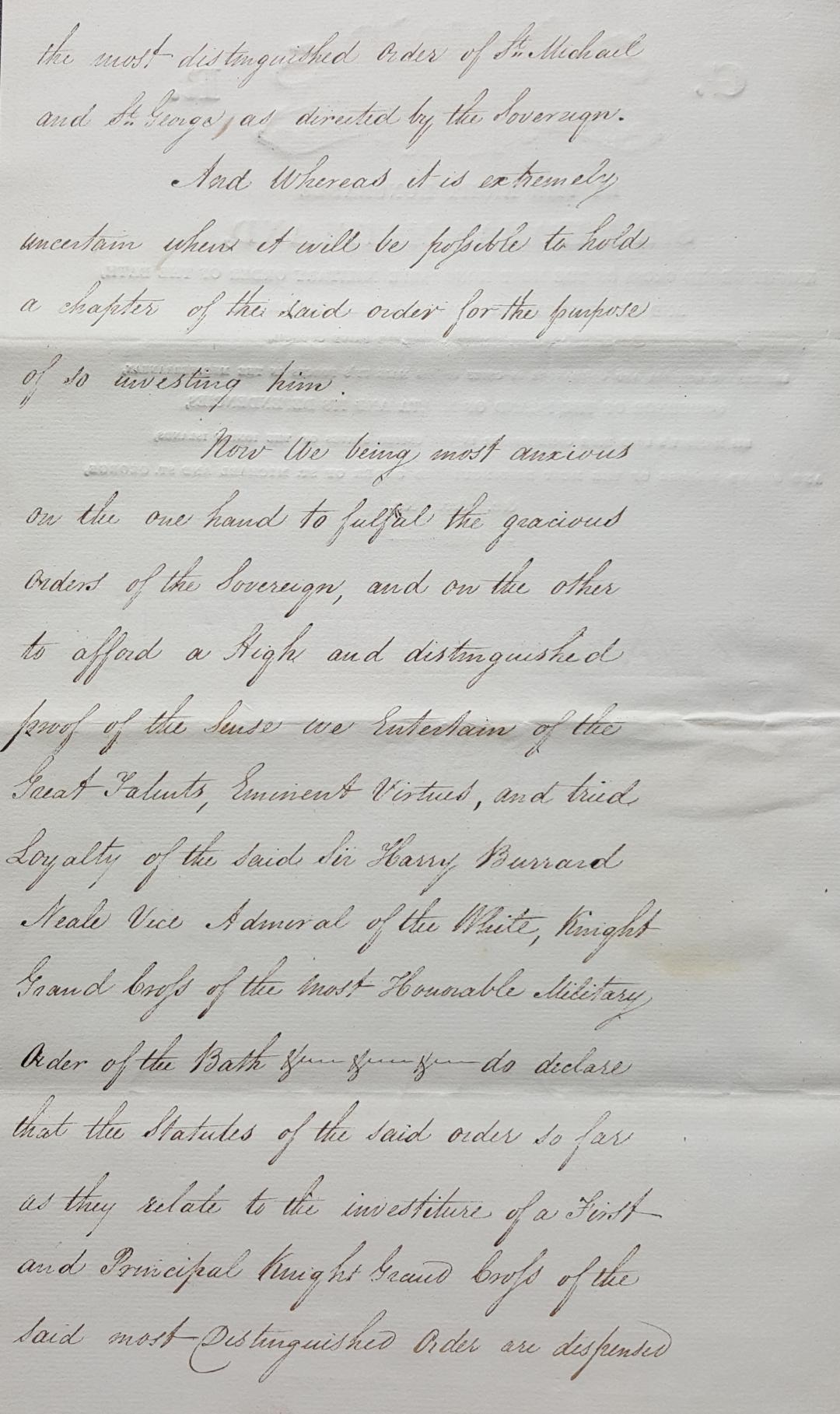
Sir Harry Burrard Neale held that position 1824-26. On leaving that post in 1826 he resigned the Order, as he was required to do, but was reappointed GCMG by William IV in 1832.
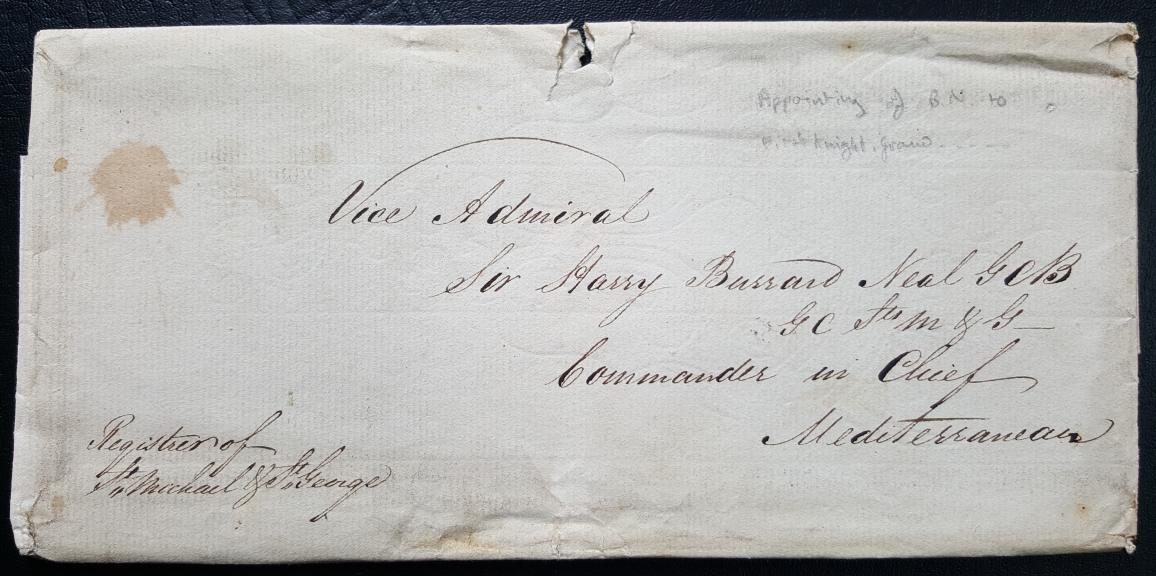
The following paperwork is a dispensation from Neale’s investiture giving him full rights, privileges and honours as Principal Knight Grand Cross until such time as an investiture can take place. It is dated 16 January 1824 and signed, in Malta, by Henry Dundas Maclean as Registrar of the Order, in absence of the Secretary. This is perhaps not altogether surprising as the Registrar was based in the Ionian Islands whereas the Order was administered from Malta.
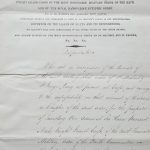
Letter page 1 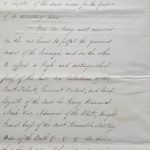
Letter page 2 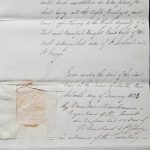
Letter page 3 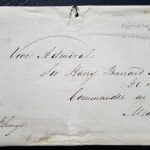
Envelope 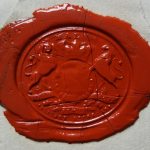
Envelope seal for Military Secretary, Malta
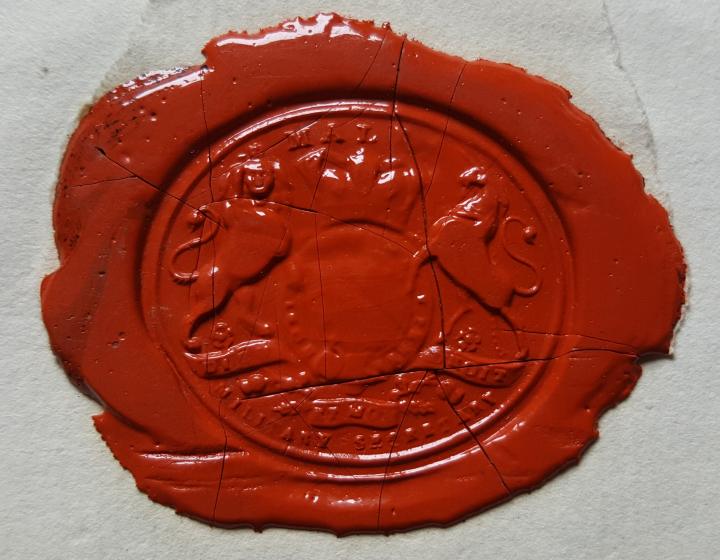
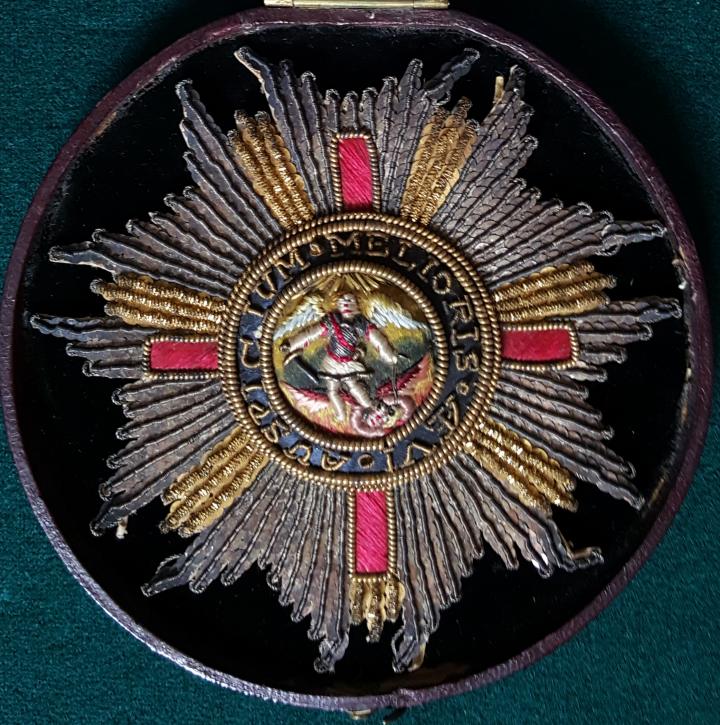
At the time of his death in 1840, Neale was GCB and GCMG. His heirs were required to return all of his insignia except for the tinsel stars.
King of Arms
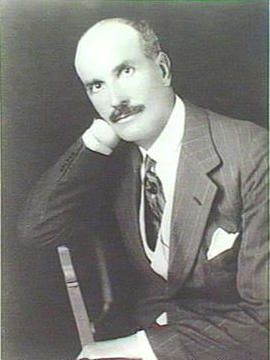
The position of King of Arms is mostly ceremonial requiring little or no knowledge of heraldry which the position would imply.
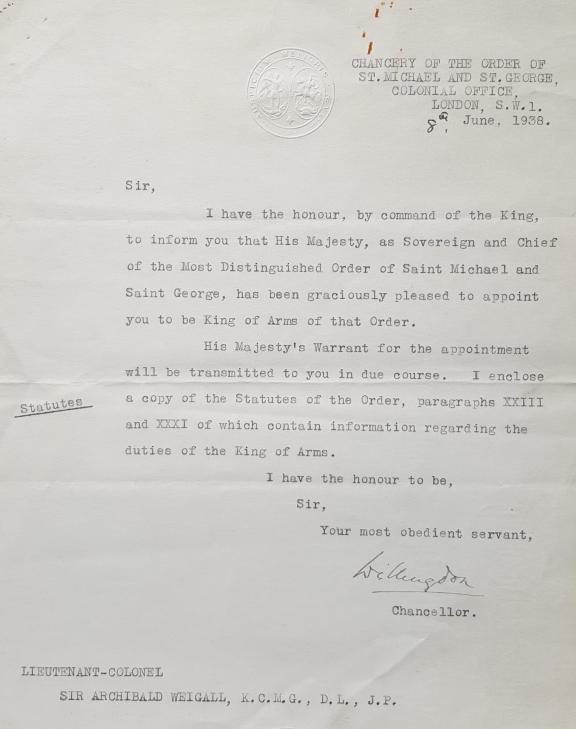
Lt-Col. Sir Archibald Weigall, KCMG, DL, JP was appointed King of Arms on 2 June 1938, a position he held until his death in 1952.
Letter 
Warrant p1 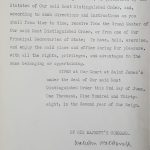
Warrant p2 
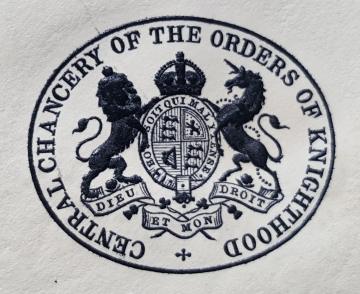
Central Chancery emblem on reverse of envelope 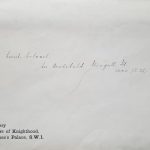
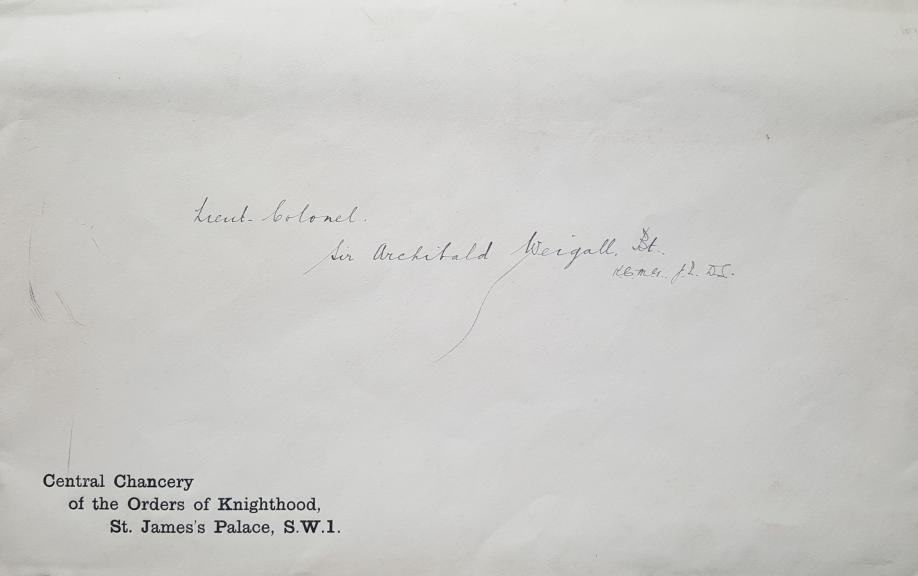
Envelope
Case Study – William Frederick Haynes Smith KCMG (1890), CMG (1887)
Haynes Smith was a lawyer who went out to British Guiana in 1865 as Solicitor-General. He was appointed Attorney-General in 1874. He was appointed Governor of the Leeward Islands in 1888 before moving to be Governor of the Bahamas 1895-97. He served as High Commissioner of Cyprus from 1898 to 1904, after which he retired.
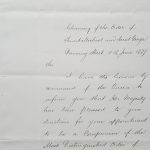
Letter p1 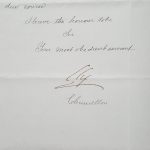
Letter p2 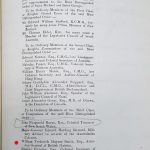
Press release
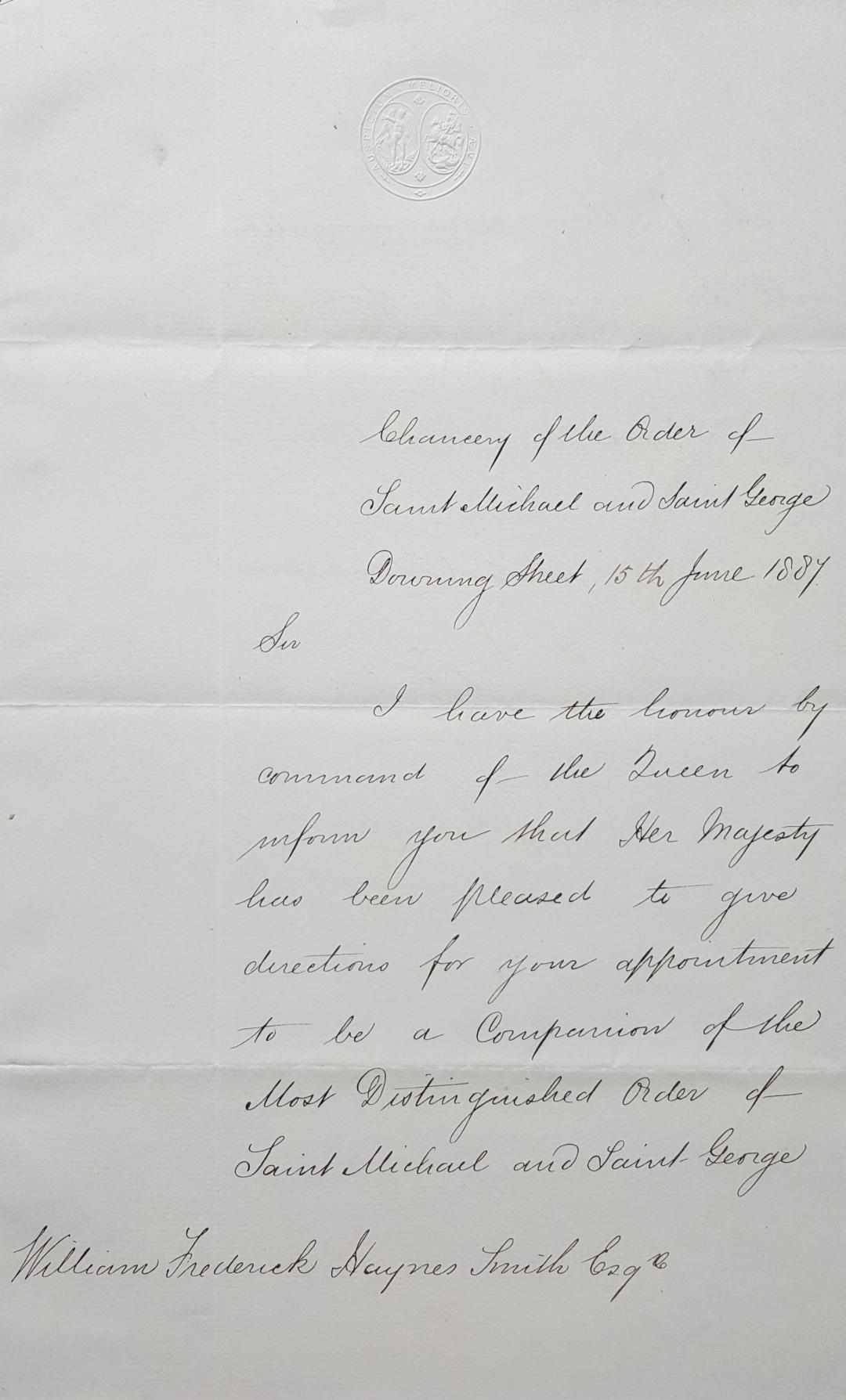
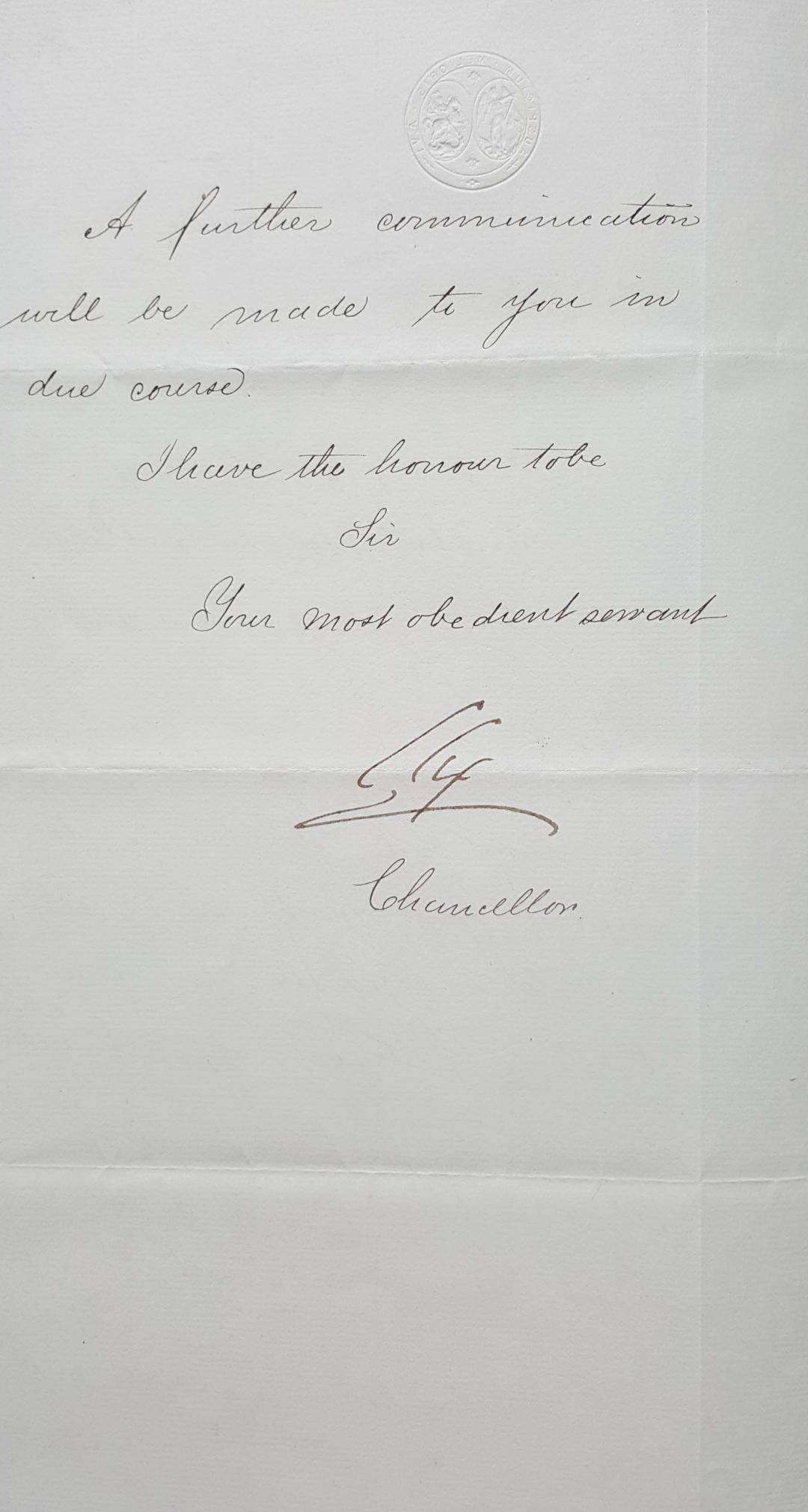
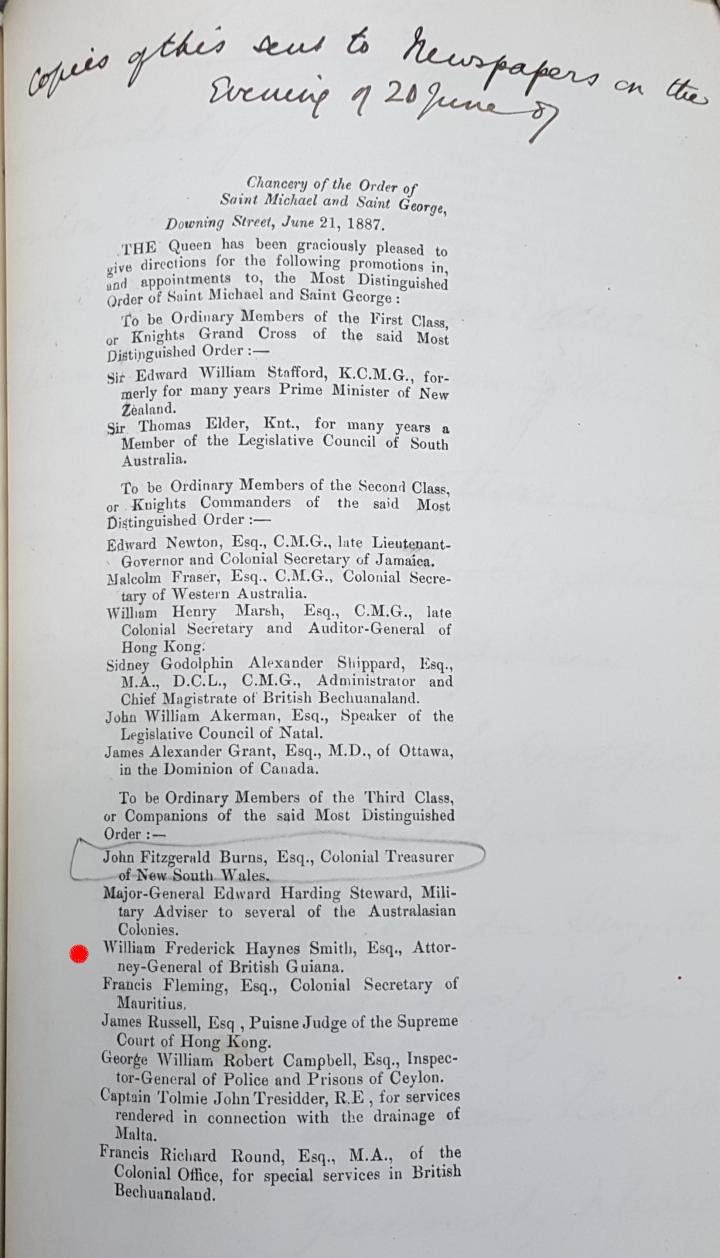
Haynes Smith first receives the above letter dated 15 June 1887 informing him of the award, which is announced in the London Gazette six days later. This is released to the Press the evening before so that it can be included in the next day’s newspapers.
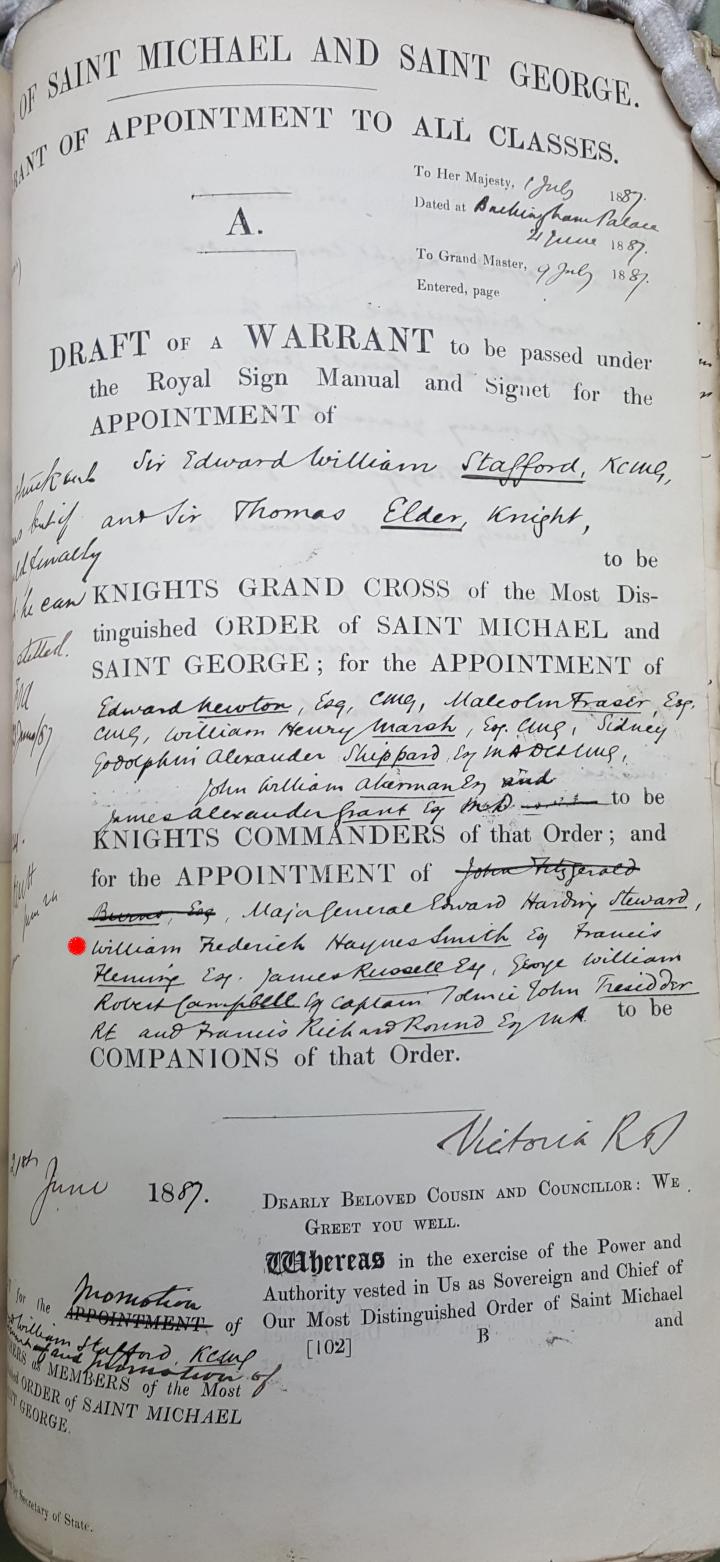
The Grand Master of the Order receives instructions listing who has been appointed to the Order.
Letter p1 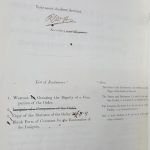
Letter p2 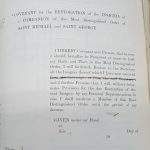
Covenant
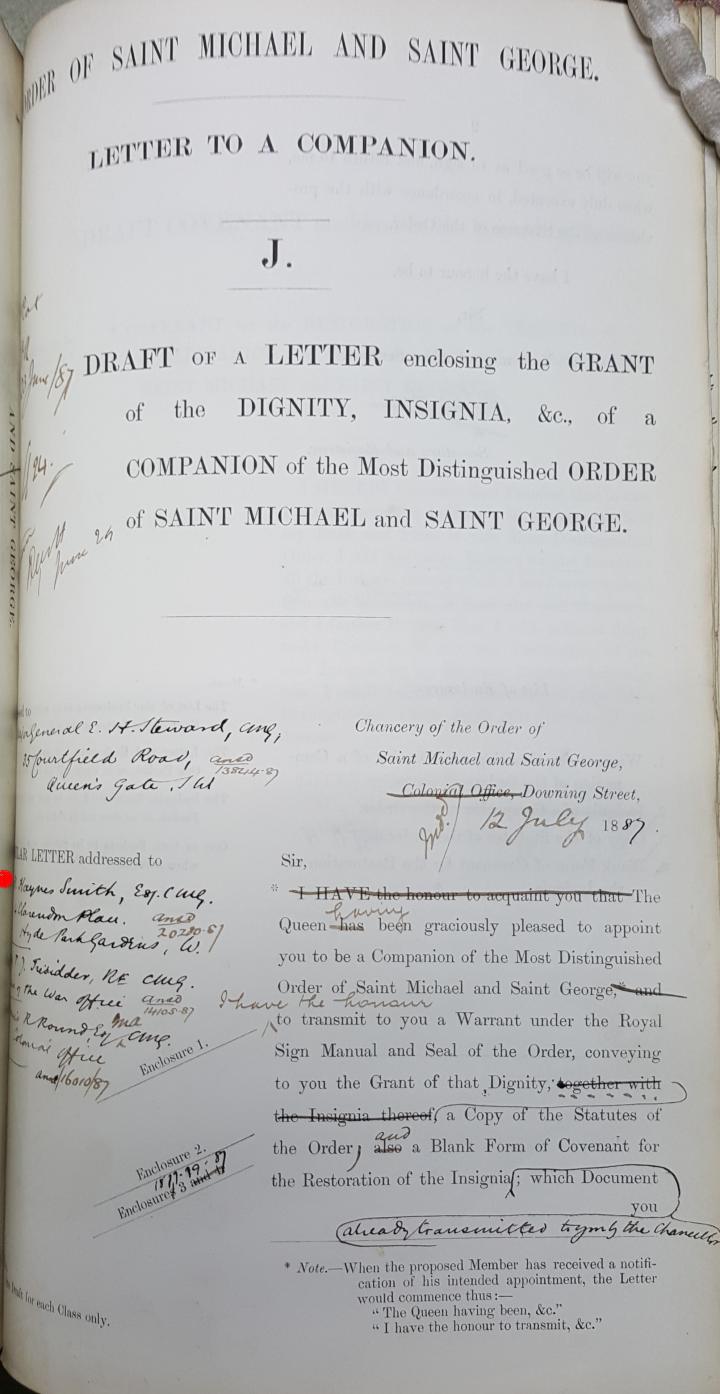
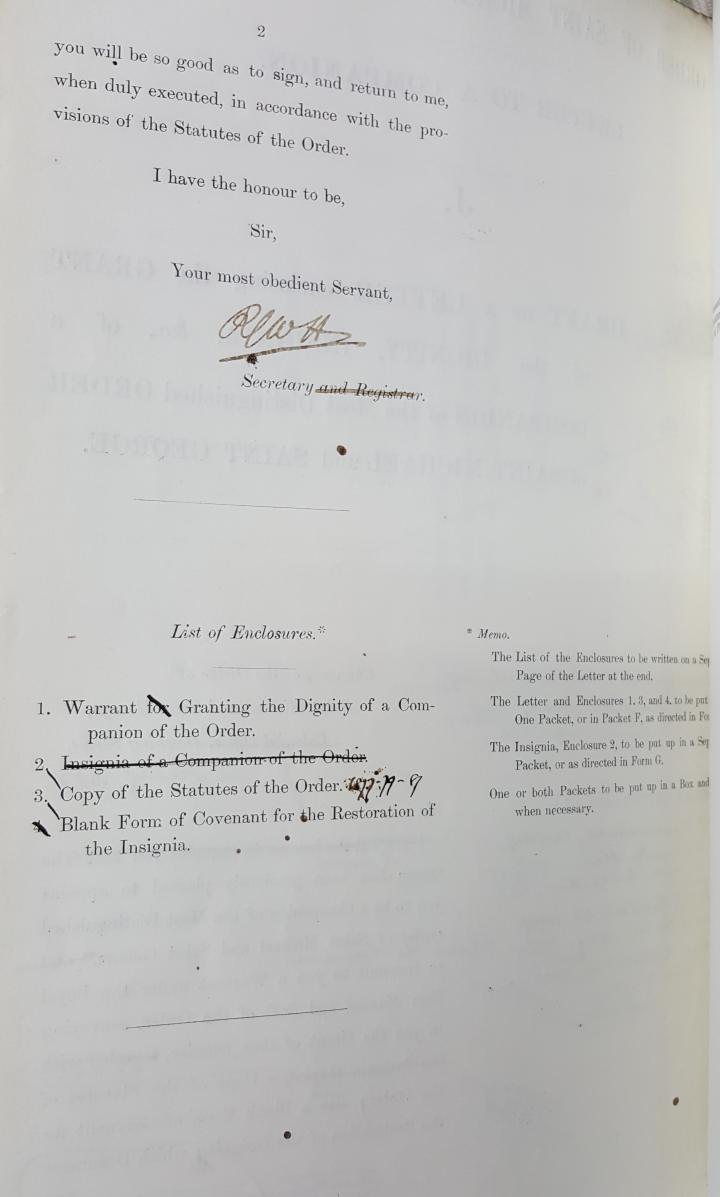
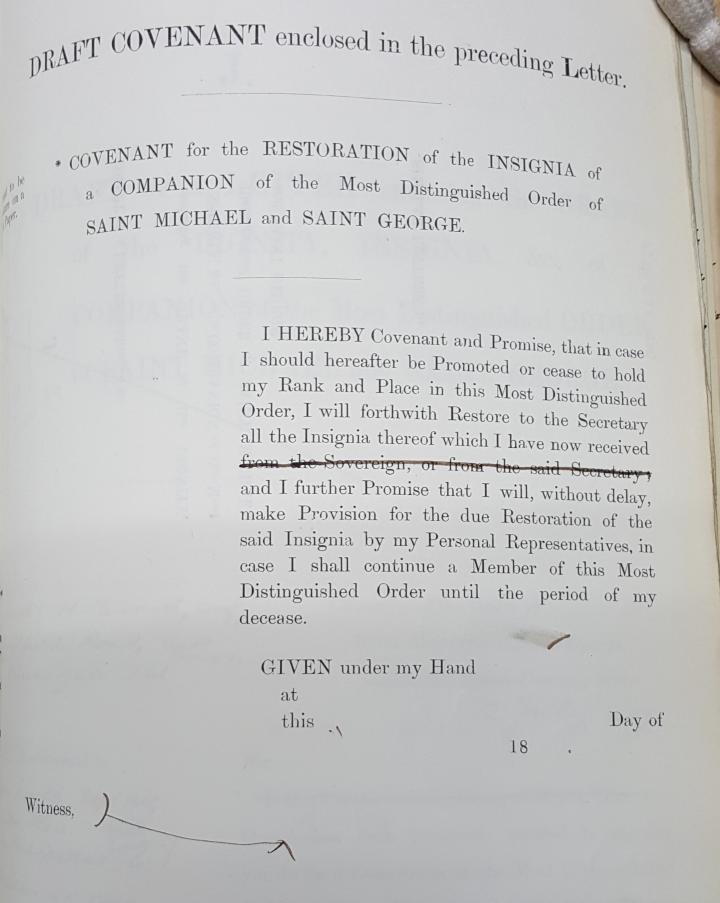
The next letter is sent on 12 July 1887 enclosing the warrant and various statutes. Haynes Smith is asked to complete the covenant for return of insignia.
Instructions 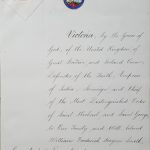
CMG warrant p1 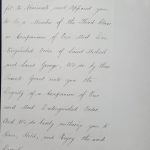
CMG warrant p2 
CMG warrant p3
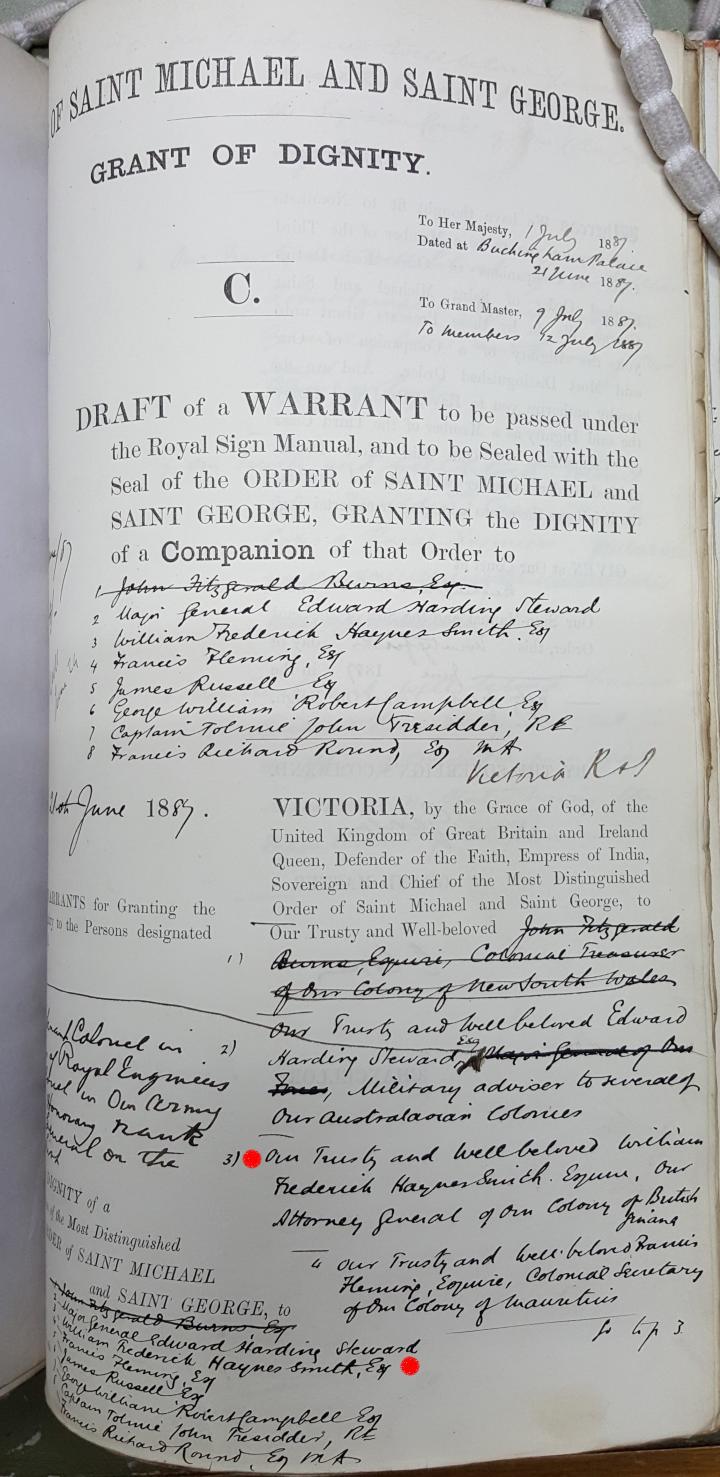
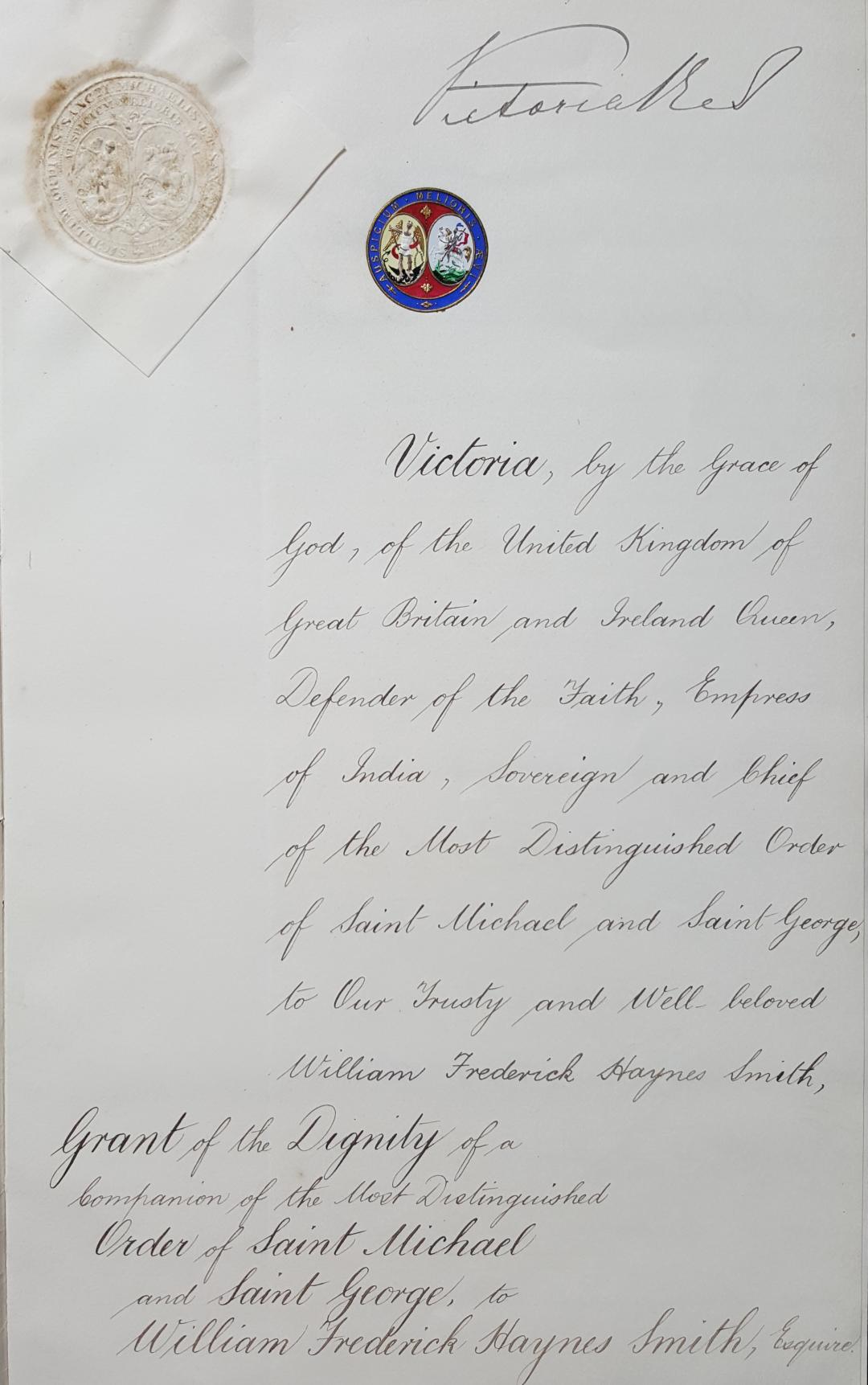
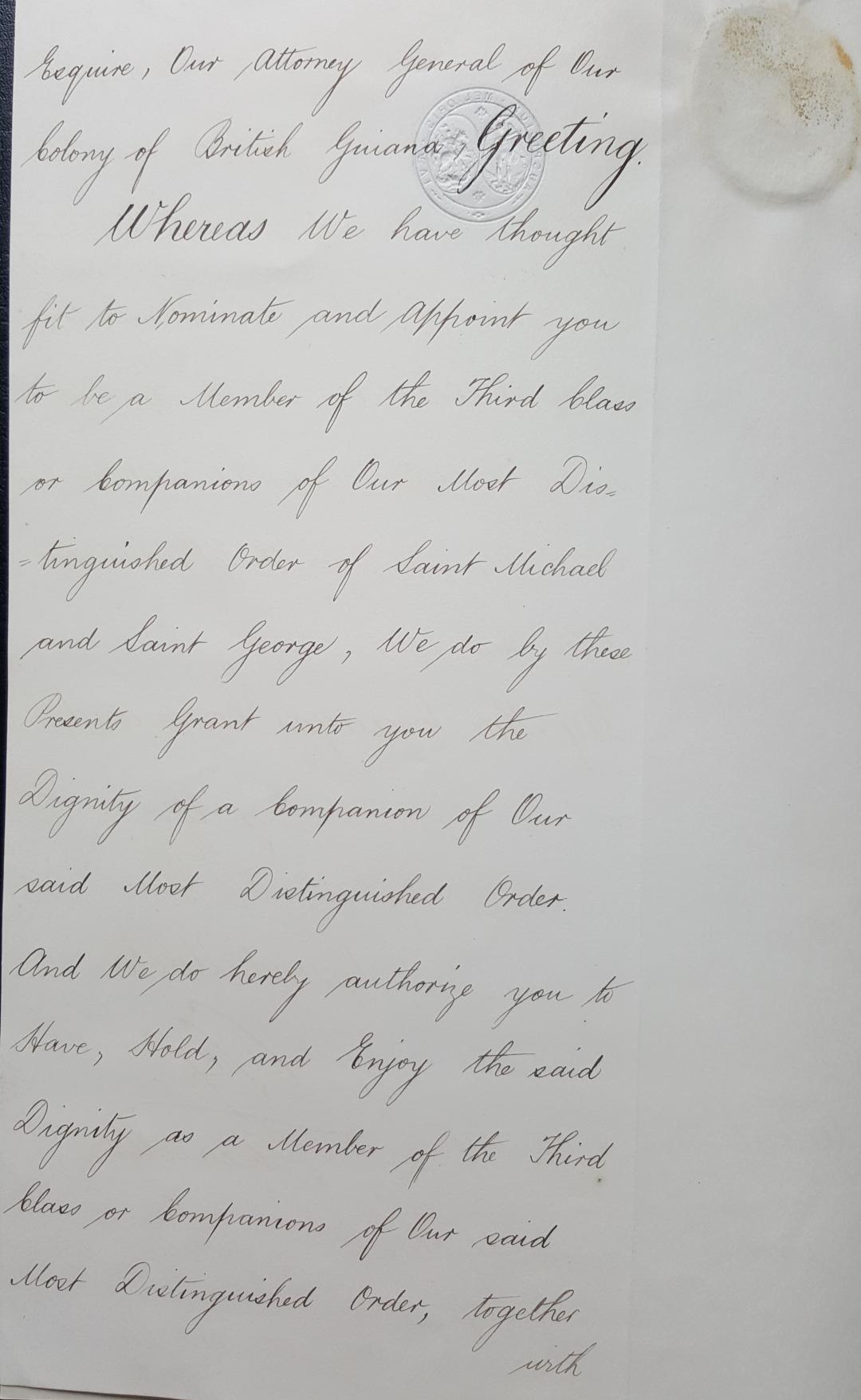
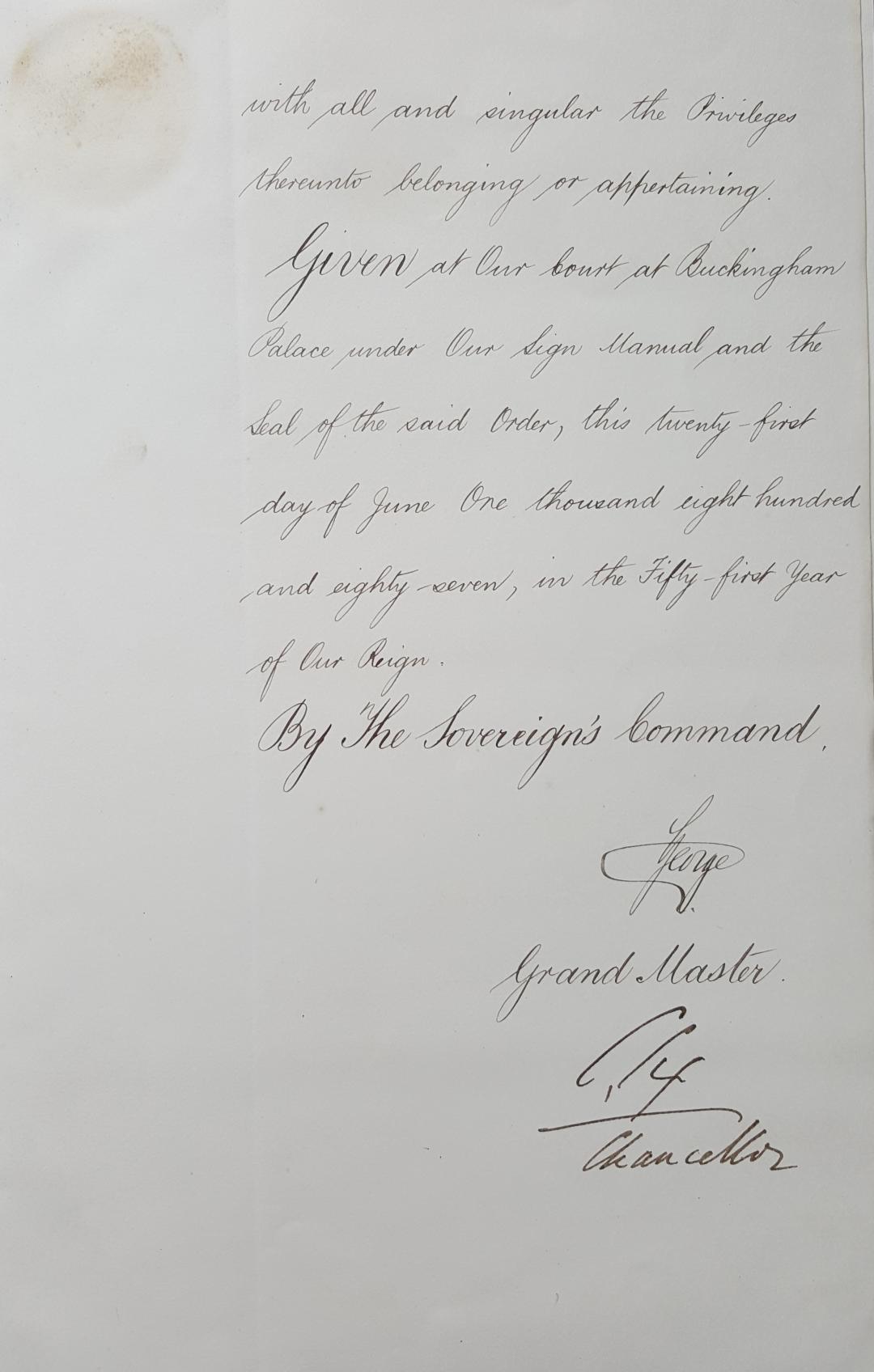
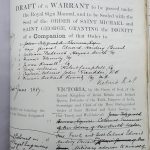
The Grand Master has received instructions for the wording of the warrants. The warrant is dated 21 June 1887 (the date of the London Gazette announcement).
At this time, awards of the CMG were not presented by the monarch, so the badge was sent out with a letter in the following format.
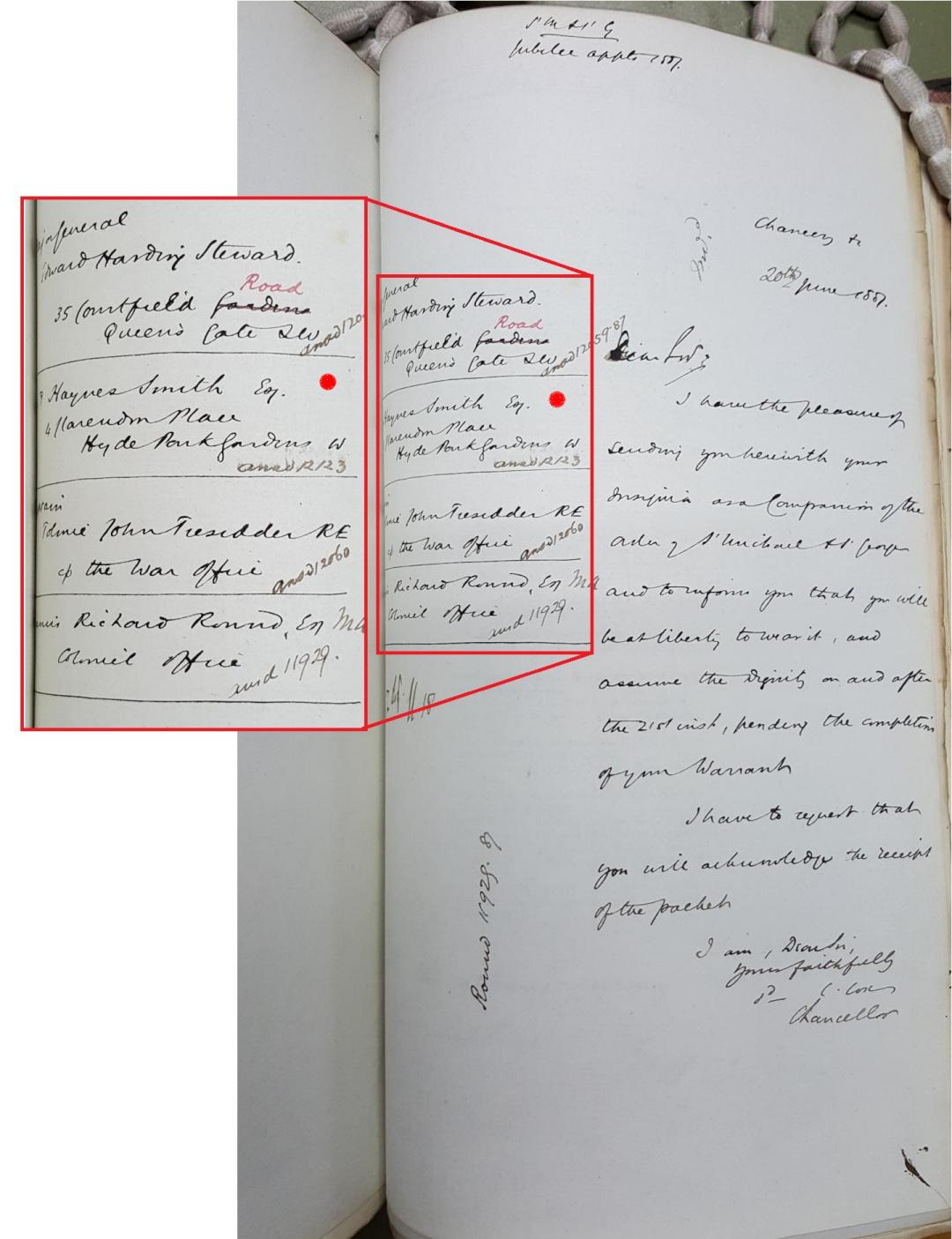
Case Study – Sir [Charles] Michael Walker CGMG
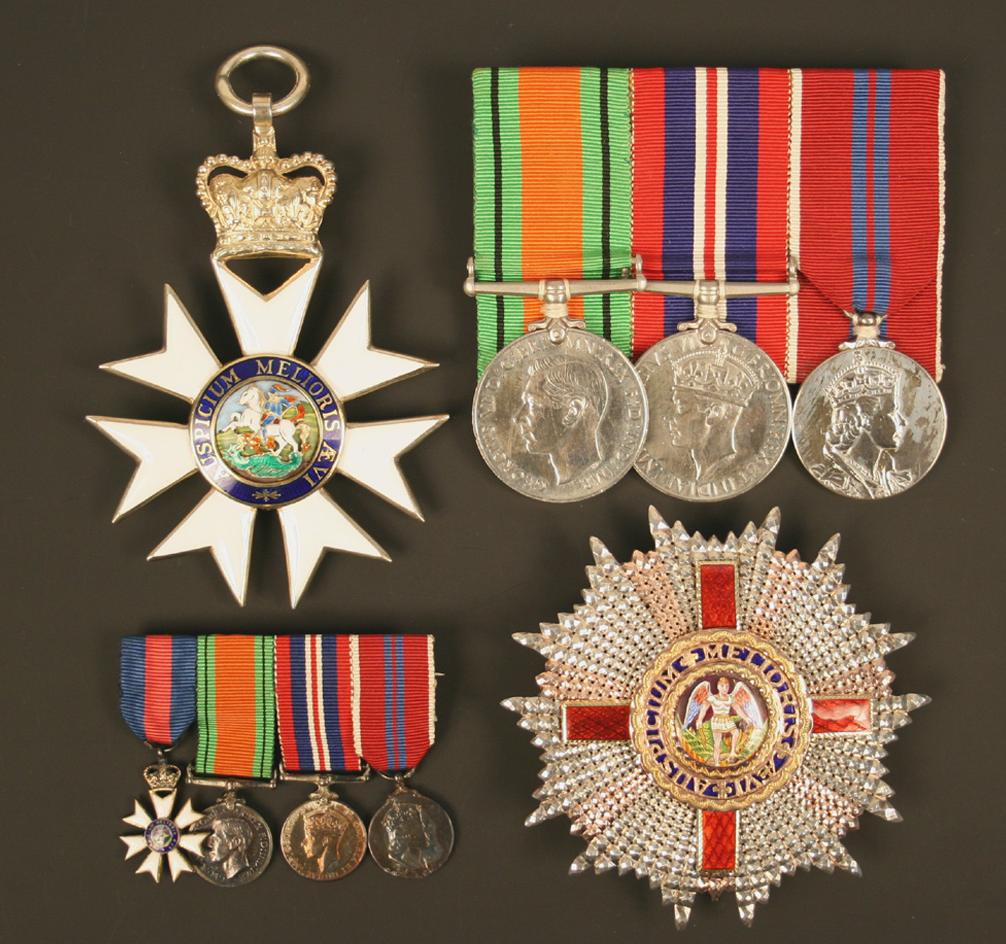
After service in the Royal Artillery, serving in India and Iraq between 1940 and 1943, Walker left the army as a Lt-Col. Working for the Foreign Office, he was High Commissioner in Ceylon, Malaysia and India. He was appointed CMG in 1960, KCMG in 1963, and GCMG in 1976.
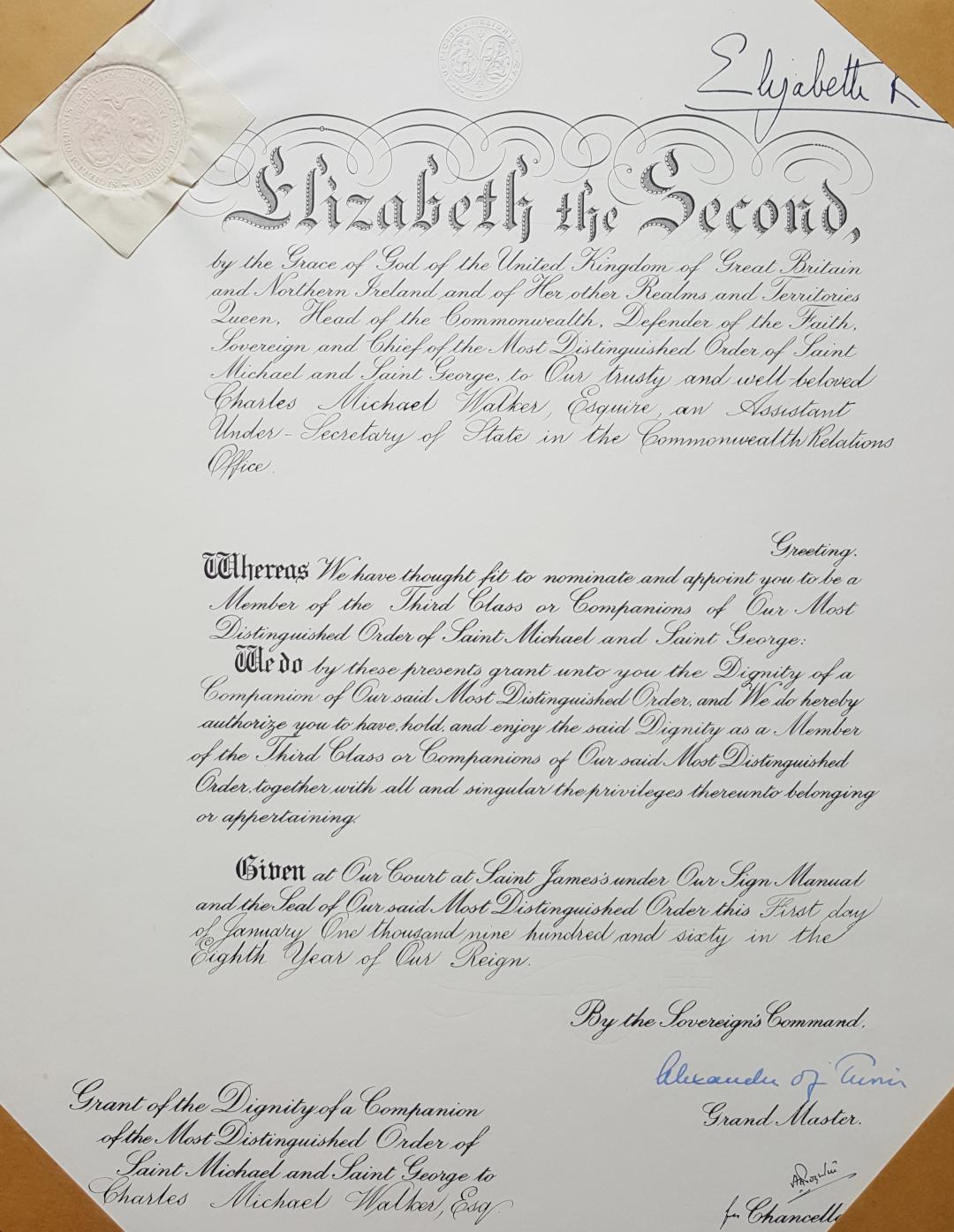
Pictured below is his CMG warrant dated 1 January 1960. Unfortunately the Grand Master, the Earl of Halifax had died on 23 December. The Chancellor, Field Marshal the Earl Alexander of Tunis was appointed Grand Master on 25 March 1960, but his successor as Chancellor was not appointed until August 1960. Thus there was an issue about who should sign warrants for the 1960 New Year honours. The solution adopted was for Alexander to sign as Grand Master and for the Secretary, AH Poynton, to sign for the Chancellor. This removed the need for Alexander to sign in both capacities.
CMG warrant 
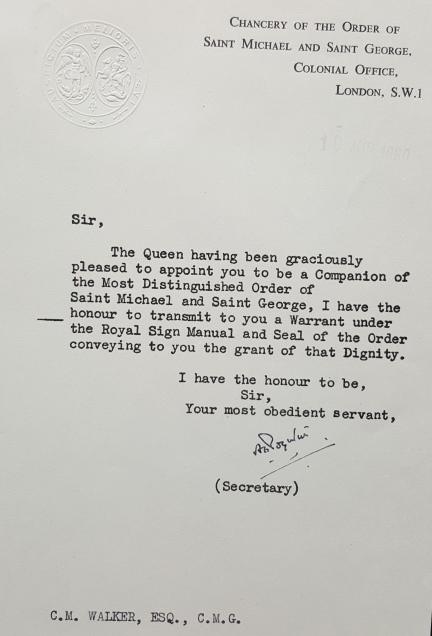
Covering letter
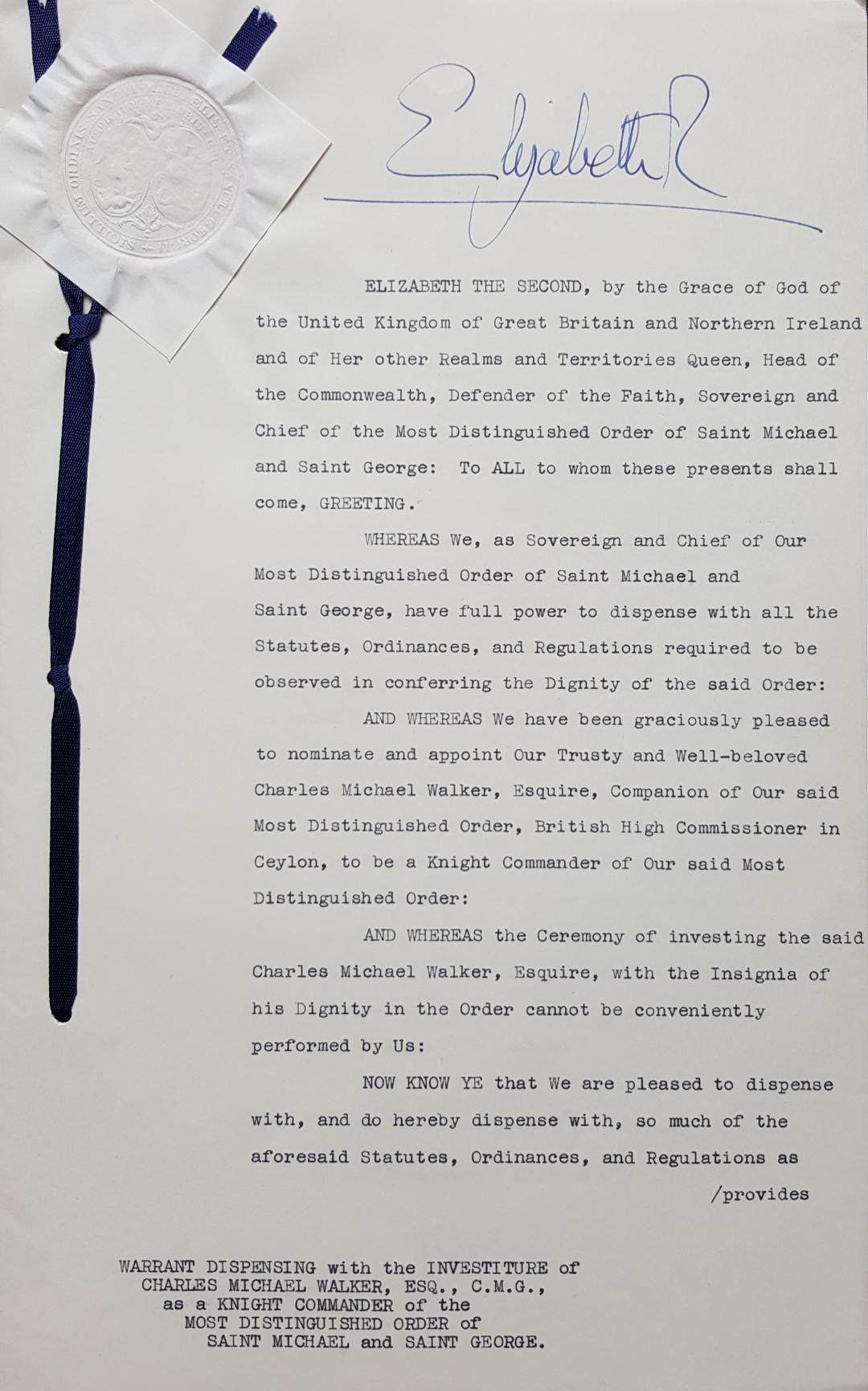
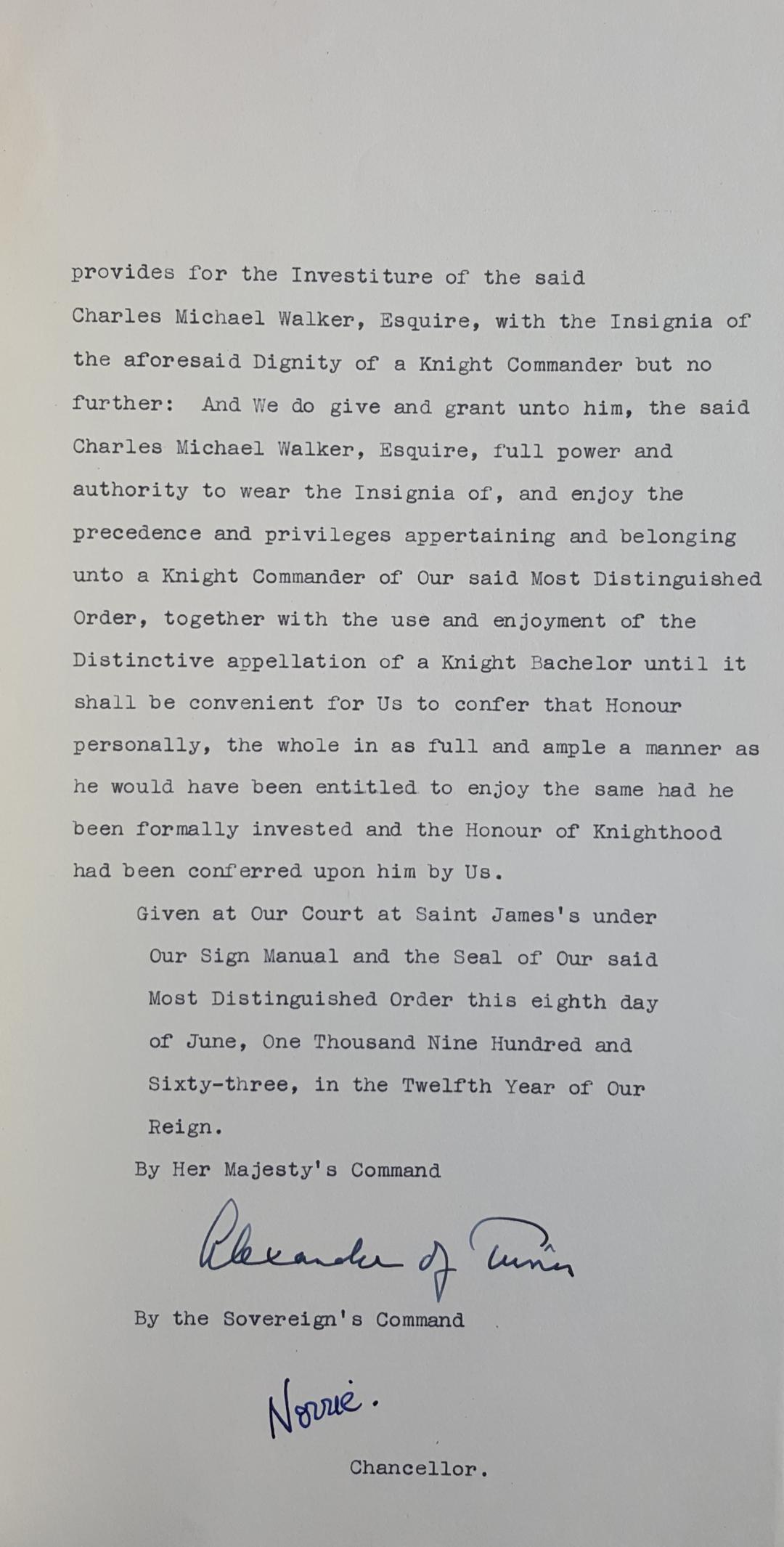
During Walker’s tenure as High Commissioner in Ceylon, he was appointed KCMG. It cannot have been possible for him to attend an investiture, so a warrant of dispensation was issued.
Dispensation p1 
Dispensation p2
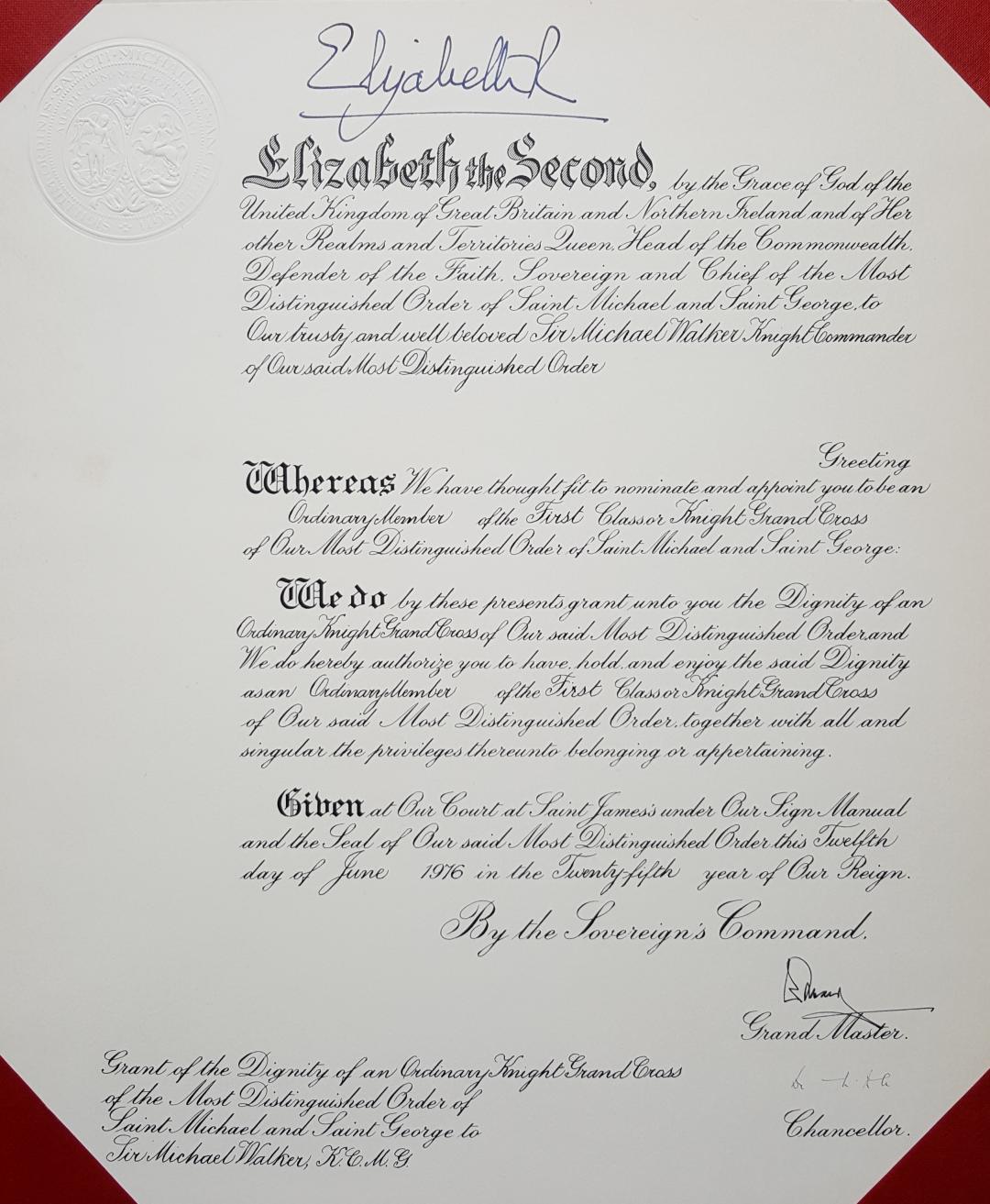
In 1976, Walker was appointed GCMG.
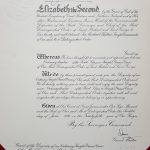
GCMG Warrant 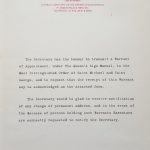
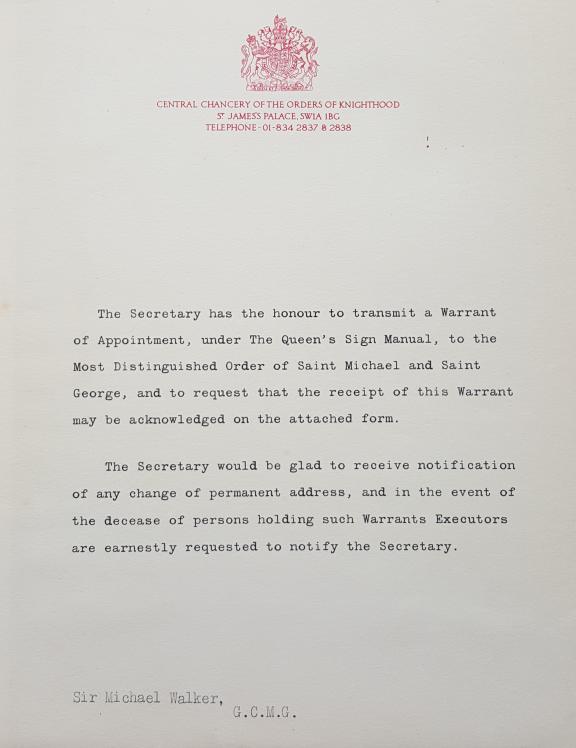
Covering letter